30 Reasons Why Bearings of Horizontal Split Case Pump Make Noise
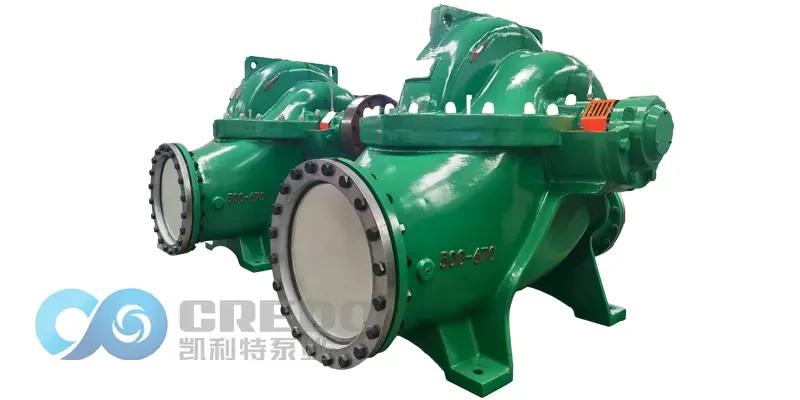
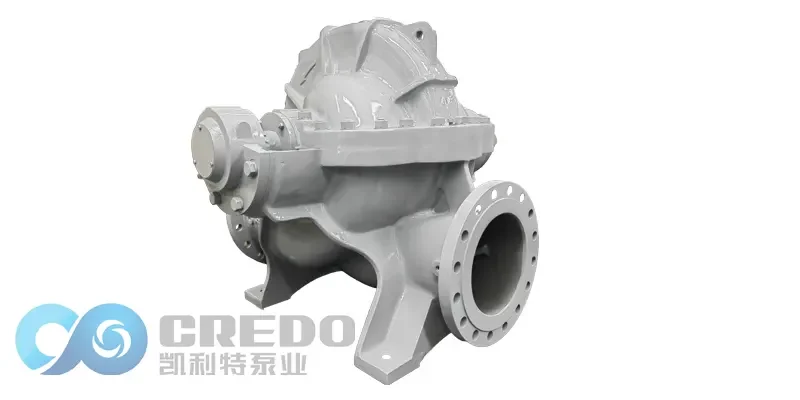
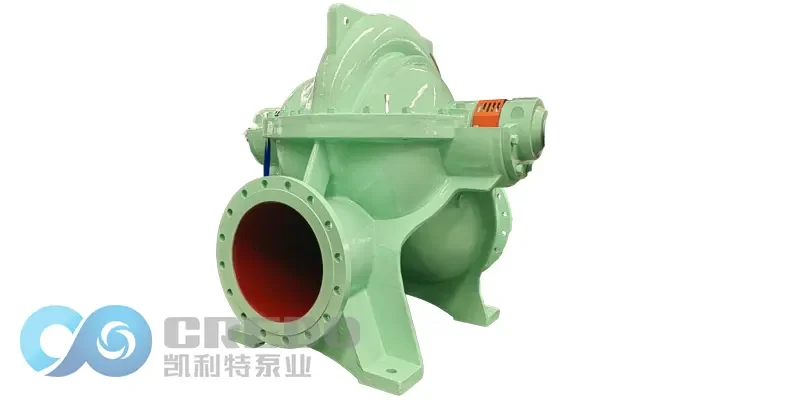
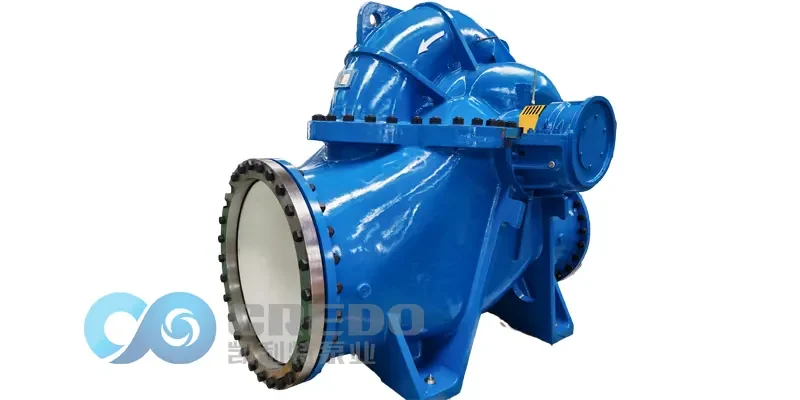
Horizontal split case pumps are widely used in industrial, municipal, and commercial applications for their efficiency and reliability. However, bearing noise in a split case pump is a common issue that can lead to reduced performance, increased maintenance costs, and even equipment failure if not addressed promptly. Understanding the root causes of bearing noise is essential for ensuring reliable pump operation and prolonging service life. This article lists and explains 30 common reasons why bearings in a horizontal split case pump may produce unusual noise.
Common Causes of Bearing Noise in Horizontal Split Case Pumps
1. There are impurities in grease.
2. Insufficient lubrication (the oil level is too low, improper storage causes oil or grease to leak through the seal).
3. The clearance of the bearing is too small or too large (factory problem).
4. Impurities such as sand or carbon particles are mixed into the bearings, which act as abrasives.
5. Water, acid or paint and other contaminants are mixed into the bearings, which will cause corrosion.
6. The bearing of horizontal split case pump is pinched flat by the seat hole (the roundness of the seat hole is not good, or the seat hole is twisted and not straight).
7. The pad iron on the bottom surface of the bearing seat is uneven (leading to deformation of the seat hole and even cracks in the bearing seat).
8. There are debris in the bearing seat hole (remaining chips, dust particles, etc.).
9. The sealing ring is eccentric (hits adjacent parts and causes friction).
10. The bearing is subject to additional load (the bearing is axially tightened, or there are two fixed-end bearings on the shaft).
11. The fit between the bearing and the shaft is too loose (the diameter of the shaft is too small or the adapter sleeve is not tightened).
12. The clearance of the bearing is too small and it is too tight during rotation (the adapter sleeve is over-tightened).
13. The bearing has noise (caused by the end face of the roller or the steel ball slipping).
14. The thermal elongation of the shaft is too large (the bearing is subject to statically indefinite additional axial load).
15. The shaft shoulder is too large (hits the bearing seal and causes friction).
16. The shoulder of the seat hole is too large (distorting the seal of the bearing).
17. The gap of the labyrinth seal ring is too small (friction occurs with the shaft).
18. The teeth of the locking washer are bent (hit the bearing and cause friction).
19. The position of the oil slinger is inappropriate (hits the flange cover and causes friction).
20. There are pits on the steel balls or rollers (caused by hitting the bearings with a hammer during installation).
21. The bearing has noise (interference from external vibration source).
22. The bearing changes color and deforms when heated (caused by using a spray gun to heat and disassemble the bearing).
23. The shaft of horizontal split case pump is too thick and the actual fit is too tight (causing the bearing temperature to be too high or making noise).
24. The diameter of the seat hole is too small (causing the bearing temperature to be too high).
25. The diameter of the bearing seat hole is too large and the actual fit is too loose (the bearing temperature is too high – the outer ring slips).
26. The bearing seat hole becomes larger (the bearing seat hole of non-ferrous metal is enlarged or becomes larger due to thermal expansion).
27. The cage is broken.
28. The bearing raceway is rusty.
29. Steel balls and raceways are worn (the grinding process is unqualified or the product is bruised).
30. The ferrule raceway is unqualified (manufacturer problem).
Understanding and identifying the causes of bearing noise in horizontal split case pumps is critical for efficient troubleshooting and preventive maintenance. Proper installation, alignment, lubrication, and regular inspection can significantly reduce the likelihood of bearing failures. For plant operators and maintenance teams, addressing these issues promptly will help ensure longer pump service life and consistent performance.
30 Reasons Why Bearings of Horizontal Split Case Pump Make Noise
Horizontal split case pumps are widely used in industrial, municipal, and commercial applications for their efficiency and reliability. However, bearing noise in a split case pump is a common issue that can lead to reduced performance, increased maintenance costs, and even equipment failure if not addressed promptly. Understanding the root causes of bearing noise is essential for ensuring reliable pump operation and prolonging service life. This article lists and explains 30 common reasons why bearings in a horizontal split case pump may produce unusual noise.
Common Causes of Bearing Noise in Horizontal Split Case Pumps
1. There are impurities in grease.
2. Insufficient lubrication (the oil level is too low, improper storage causes oil or grease to leak through the seal).
3. The clearance of the bearing is too small or too large (factory problem).
4. Impurities such as sand or carbon particles are mixed into the bearings, which act as abrasives.
5. Water, acid or paint and other contaminants are mixed into the bearings, which will cause corrosion.
6. The bearing of horizontal split case pump is pinched flat by the seat hole (the roundness of the seat hole is not good, or the seat hole is twisted and not straight).
7. The pad iron on the bottom surface of the bearing seat is uneven (leading to deformation of the seat hole and even cracks in the bearing seat).
8. There are debris in the bearing seat hole (remaining chips, dust particles, etc.).
9. The sealing ring is eccentric (hits adjacent parts and causes friction).
10. The bearing is subject to additional load (the bearing is axially tightened, or there are two fixed-end bearings on the shaft).
11. The fit between the bearing and the shaft is too loose (the diameter of the shaft is too small or the adapter sleeve is not tightened).
12. The clearance of the bearing is too small and it is too tight during rotation (the adapter sleeve is over-tightened).
13. The bearing has noise (caused by the end face of the roller or the steel ball slipping).
14. The thermal elongation of the shaft is too large (the bearing is subject to statically indefinite additional axial load).
15. The shaft shoulder is too large (hits the bearing seal and causes friction).
16. The shoulder of the seat hole is too large (distorting the seal of the bearing).
17. The gap of the labyrinth seal ring is too small (friction occurs with the shaft).
18. The teeth of the locking washer are bent (hit the bearing and cause friction).
19. The position of the oil slinger is inappropriate (hits the flange cover and causes friction).
20. There are pits on the steel balls or rollers (caused by hitting the bearings with a hammer during installation).
21. The bearing has noise (interference from external vibration source).
22. The bearing changes color and deforms when heated (caused by using a spray gun to heat and disassemble the bearing).
23. The shaft of horizontal split case pump is too thick and the actual fit is too tight (causing the bearing temperature to be too high or making noise).
24. The diameter of the seat hole is too small (causing the bearing temperature to be too high).
25. The diameter of the bearing seat hole is too large and the actual fit is too loose (the bearing temperature is too high – the outer ring slips).
26. The bearing seat hole becomes larger (the bearing seat hole of non-ferrous metal is enlarged or becomes larger due to thermal expansion).
27. The cage is broken.
28. The bearing raceway is rusty.
29. Steel balls and raceways are worn (the grinding process is unqualified or the product is bruised).
30. The ferrule raceway is unqualified (manufacturer problem).
Understanding and identifying the causes of bearing noise in horizontal split case pumps is critical for efficient troubleshooting and preventive maintenance. Proper installation, alignment, lubrication, and regular inspection can significantly reduce the likelihood of bearing failures. For plant operators and maintenance teams, addressing these issues promptly will help ensure longer pump service life and consistent performance.