5 Simple Maintenance Steps for Your Double Suction Split Case Pump
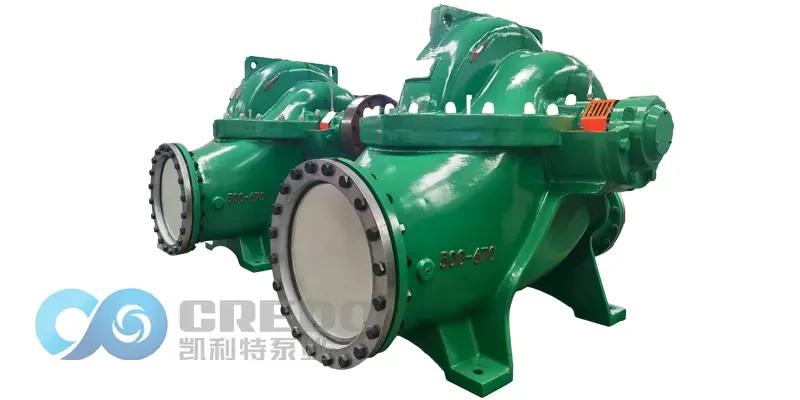
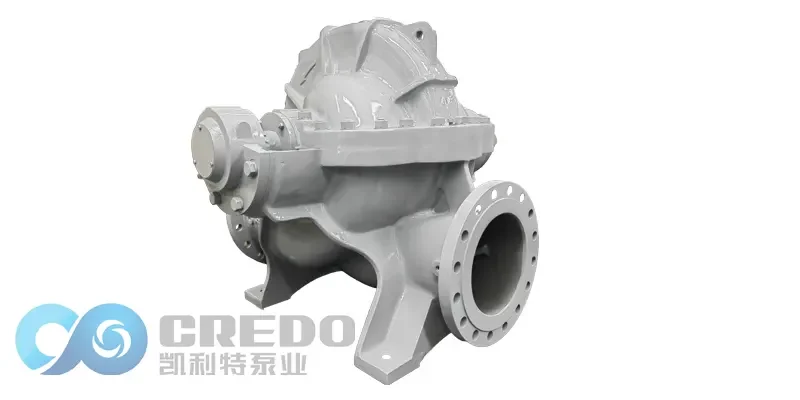
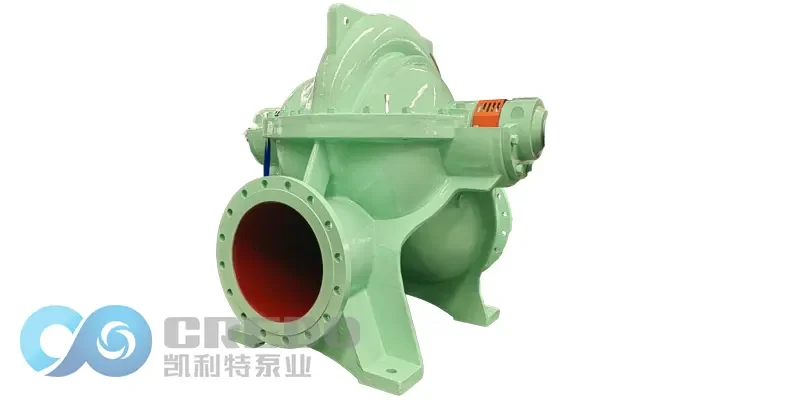
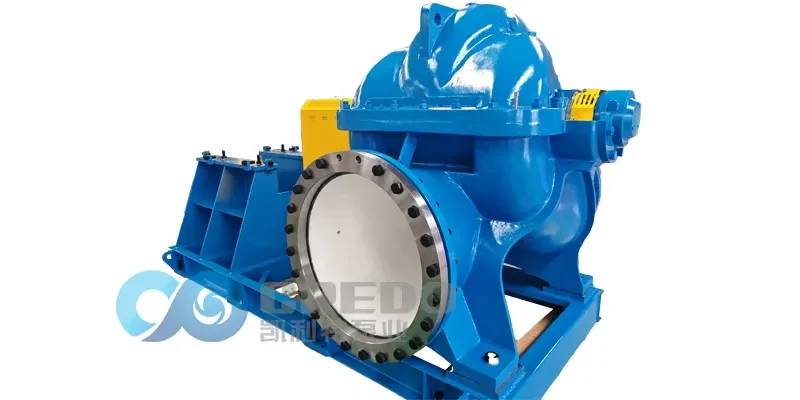
A double suction split case pump is a critical asset in many facilities, commonly used in HVAC systems, water treatment plants, fire protection networks, and various industrial processes. These pumps are known for their high efficiency and robust design. However, even the best-designed equipment requires regular upkeep to maintain peak performance. Ignoring preventive maintenance can lead to unexpected failures, costly repairs, and extended downtime that disrupt plant operations. This article outlines five simple yet essential maintenance steps to ensure your double suction split case pump runs smoothly and reliably.
1. Determine Maintenance Frequency
The first step in any maintenance program is setting the right schedule. Consult the original equipment manufacturer (OEM) manual for maintenance intervals specific to your pump model. In addition, assess your plant’s operational requirements:
Do pipelines or pumps require complete system shutdowns?
Are certain pumps in continuous or intermittent use?
Can maintenance be scheduled during planned downtimes?
Use a combination of OEM guidance, operational data, and common sense to develop a tailored maintenance plan for your double suction split case pump.
2. Observation is Key
Routine visual and auditory inspections can detect early signs of pump failure. While the pump is running:
Observe for leaks around seals and flanges.
Listen for unusual noises such as grinding, rattling, or cavitation.
Feel for abnormal vibration levels.
Take note of odd odors that may suggest overheating or burning.
Document your findings to establish a baseline for future comparisons and to aid in troubleshooting.
3. Prioritize Safety Before Inspection
Never perform maintenance on a running pump. Properly shut down the double suction split case pump and isolate both electrical and hydraulic systems. Follow lockout/tagout procedures for safety.
Mechanical Checks:
Ensure the installation point and foundation are secure.
Examine the mechanical seal and packing for wear.
Inspect pump flanges for leaks or corrosion.
Verify tightness of all mechanical connectors.
Clean the suction strainer or inline filter to ensure no clogging.
4. Lubrication of Bearings
Lubrication is vital to the longevity of motor and pump bearings. Always follow the manufacturer’s recommendations on lubricant type and application frequency.
Do not over-lubricate; too much grease can cause bearing failure due to increased pressure and heat.
If your pump includes a vent cap, remove it and allow the pump to run for 30 minutes post-lubrication to purge excess grease before reinstalling the cap.
5. Electrical and Motor Inspection
Regularly inspect the electrical components of your double suction split case pump to prevent breakdowns:
Ensure all terminals are tight and free from corrosion.
Clean motor windings and air vents to maintain proper heat dissipation.
Check electrical panels for signs of arcing or overheating.
Use a megohmmeter to test insulation resistance in motor windings.
Seal and Hose Replacement
Any worn or damaged seals, O-rings, or hoses should be replaced immediately to prevent leaks and maintain system pressure. Use only temporary rubber-safe lubricants during installation to ensure a secure, leak-free fit.
Avoid petroleum-based greases or silicone products, which may degrade elastomer materials.
Use a water-based rubber lubricant that evaporates after application, leaving the components properly seated without residue.
Conclusion
Maintaining a double suction split case pump doesn’t have to be complex or time-consuming. By following these five simple maintenance steps—determining maintenance intervals, observing operating conditions, prioritizing safety, ensuring proper lubrication, and inspecting electrical and sealing components—you can drastically improve pump efficiency and lifespan. Implementing a consistent maintenance routine not only prevents failures but also protects your investment in high-performance pumping equipment.