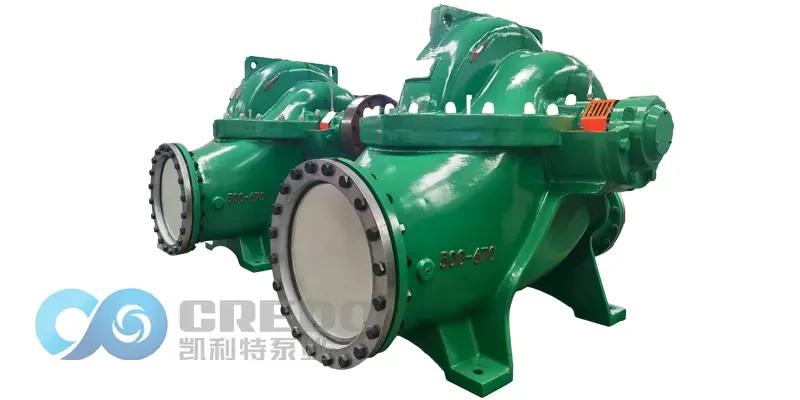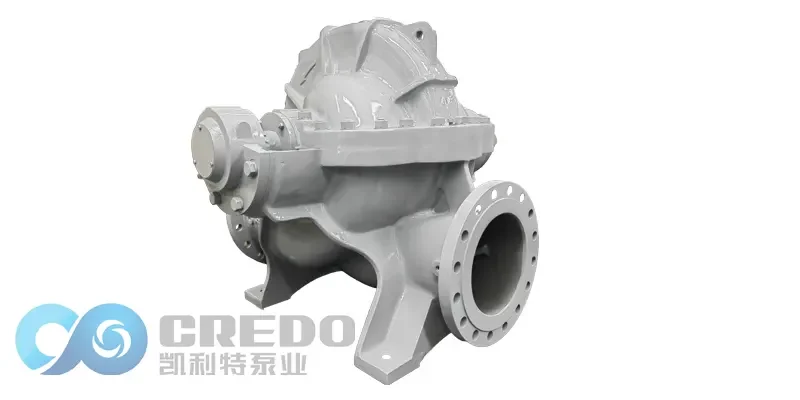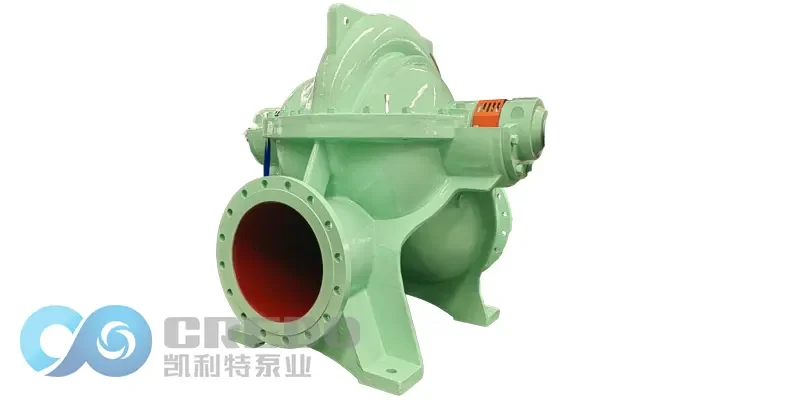
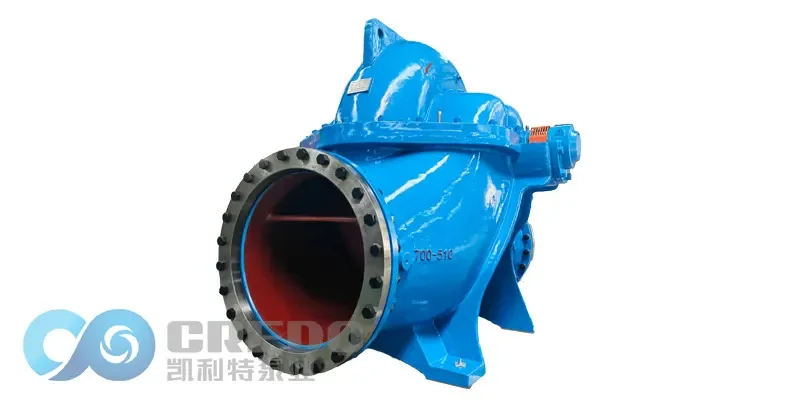
Bearing Temperature Standards and Maintenance Guidelines for Axial Split Case Pumps
Maintaining the correct bearing temperature is essential to ensuring the efficient operation and long service life of a split case pump and other centrifugal pumps. Bearings are critical components that support the pump shaft and allow smooth rotation under varying loads and speeds. When bearings overheat, it can lead to lubrication failure, mechanical wear, and ultimately, pump failure.
This article provides a comprehensive overview of bearing temperature standards for axial split case pumps, the typical reasons for abnormal temperature rises, and recommended troubleshooting and treatment methods. It references key Chinese industrial standards and practical guidelines to ensure proper operation and compliance.
Standard Regulations for Split Case Pump Bearing Temperature
Based on national and industry standards, the following limits apply to split case pump bearings under normal ambient conditions (assumed 40°C):
1. GB3215-82:
– During operation, the maximum allowable bearing temperature should not exceed 80°C.
2. JB/T5294-91:
– The bearing temperature rise should not exceed 40°C above ambient, with an absolute maximum of 80°C.
3. JB/T6439-92:
– The temperature of the built-in bearing should be no more than 20°C above the medium temperature; the maximum is 80°C.
– For external bearings, temperature rise should be ≤ 40°C above ambient.
4. JB/T7255-94:
– The bearing temperature rise should not exceed 35°C, and the maximum temperature should be 75°C.
5. JB/T7743-95:
– Bearing temperature rise should not exceed 40°C, maximum temperature should not exceed 80°C.
6. JB/T8644-1997:
– Maximum temperature rise: 35°C. Maximum bearing temperature: 80°C.
Motor Bearing Temperature Standards
According to motor design regulations:
– Rolling bearings: Max. temperature = 95°C
– Sliding bearings: Max. temperature = 80°C
– Temperature rise: Should not exceed 55°C above ambient
Insulation grading impact:
– For F-class insulation with B-class evaluation, the temperature rise is usually controlled at:
– 80K (resistance method)
– 90K (component method)
Therefore, at 40°C ambient, the max motor temperature should not exceed 120–130°C.
Use infrared thermometers to check bearing outer surface temperature. As a rule of thumb:
– A 4-pole motor’s bearing temperature should stay below 70°C.
– Motor body temperature is usually not monitored, as it remains stable post-manufacture.
Common Causes of Bearing Overheating in Axial Split Case Pumps
Abnormal temperature rise in bearings is a common issue. Below are the main causes and suggested remedies:
1. Misalignment or Bent Shaft
– Cause: Shaft center misalignment or bending
– Solution: Re-align shaft, inspect and straighten or replace as needed
2. Loose Foundation Bolts
– Cause: Vibration or improper installation
– Solution: Re-tighten foundation bolts, verify installation stability
3. Dirty Lubrication Oil
– Cause: Contaminants in lubricating oil reduce effectiveness
– Solution: Drain and refill with clean oil of recommended grade
4. Expired Lubricant
– Cause: Oil degradation due to prolonged use
– Solution: Flush bearing housing, replace with fresh oil
5. Damaged Bearing Components
– Cause: Cracked/damaged balls or rollers in bearing
– Solution: Replace with new bearings of proper specification
Monitoring and Preventative Maintenance Tips
To maintain proper bearing health in split case pumps:
– Use infrared temperature guns to monitor bearing housing temperatures
– Schedule routine lubrication based on operational hours
– Ensure proper alignment after every disassembly or pump relocation
– Perform periodic vibration analysis to detect early bearing wear
– Follow manufacturer’s guidelines for bearing and lubricant selection
Conclusion
Bearing temperature is a vital performance parameter in the operation of a split case pump. Ensuring that the temperature stays within the prescribed limits not only prevents mechanical failures but also extends the equipment’s lifecycle. Following standard regulations, using proper monitoring tools, and executing timely maintenance can significantly reduce the risk of overheating and pump breakdowns.
By adhering to these industry-recognized standards and best practices, operators and maintenance teams can enhance the reliability and efficiency of axial split case pumps in a wide range of applications.