Fluids and Liquids in Multistage Vertical Turbine Pump Applications
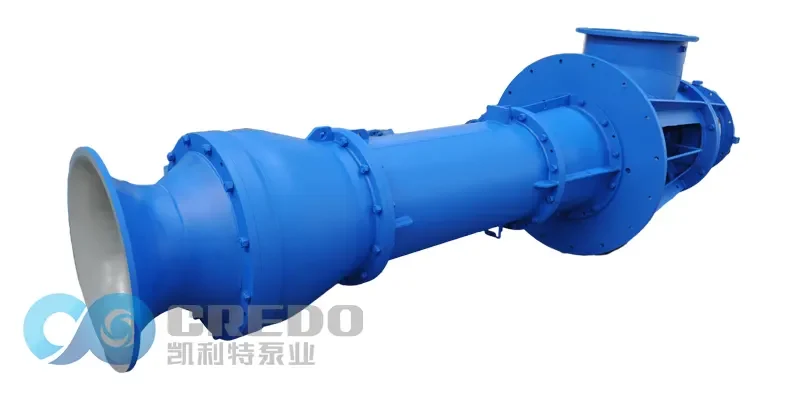
A multistage vertical turbine pump is engineered to handle a variety of challenging pumping applications, from municipal water supply to industrial processing. To operate these pumps effectively, it is essential to understand the types of fluids—particularly liquids—they are designed to transport. This article explains the critical distinctions and physical properties of fluids and how they influence the performance of a multistage vertical turbine pump.
Understanding the Difference Between Fluids and Liquids
The terms ‘fluid’ and ‘liquid’ are often used interchangeably, but they have different definitions in engineering contexts. A liquid is a substance that occupies a definite volume and exists between the solid and gas states, depending on temperature and pressure. A fluid, however, refers to any substance capable of flowing, including both liquids and gases.
While all liquids are fluids, not all fluids are liquids. Since pumps—including multistage vertical turbine pumps—are not designed to handle gases, the term ‘fluid’ in pump applications typically refers to liquids.
Key Liquid Properties That Affect Multistage Vertical Turbine Pump Performance
To ensure optimal performance, selecting a multistage vertical turbine pump requires understanding the essential physical properties of the liquid being pumped:
1. Viscosity
Viscosity measures a liquid’s resistance to flow—often described as how ‘thick’ or ‘sticky’ it is. High-viscosity liquids can reduce the flow rate, increase energy consumption, and impact the pump’s overall efficiency and head performance.
2. Density
Density refers to the mass of liquid per unit volume. In pump applications, it’s commonly expressed as specific gravity—the ratio of a liquid’s density to that of water at a reference temperature. Accurate density values are essential for calculating the hydraulic power required to move the liquid.
3. Vapor Pressure
Vapor pressure is the pressure at which a liquid begins to vaporize. If the pressure inside the pump drops below this level, cavitation may occur—causing damage to internal components and reducing the service life of the pump. Proper system design must always account for vapor pressure.
Conclusion
A thorough understanding of the behavior of liquids—particularly viscosity, density, and vapor pressure—is critical to ensuring the reliable and efficient operation of a multistage vertical turbine pump. By taking these physical properties into account, engineers and operators can improve pump selection, avoid operational issues, and extend equipment lifespan in complex fluid-handling systems.