How to Extend the Service Life of a Split Casing Pump
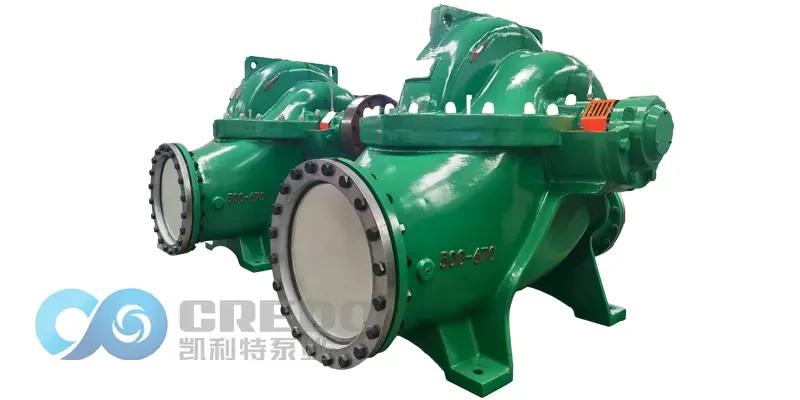
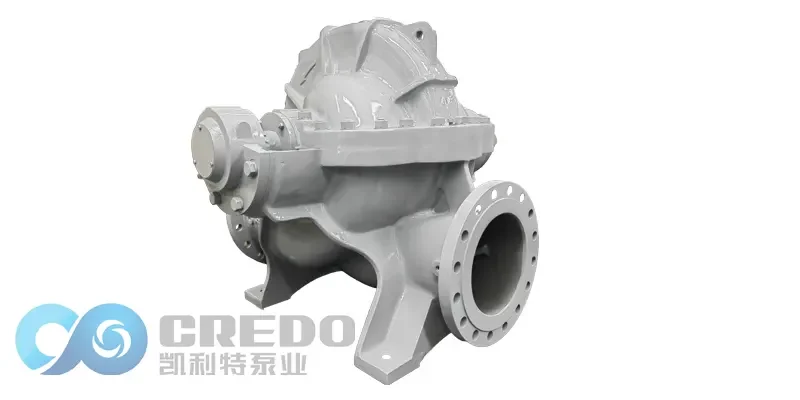
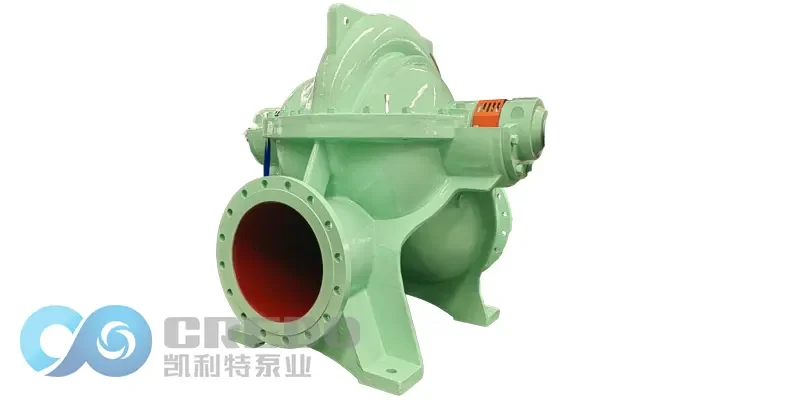
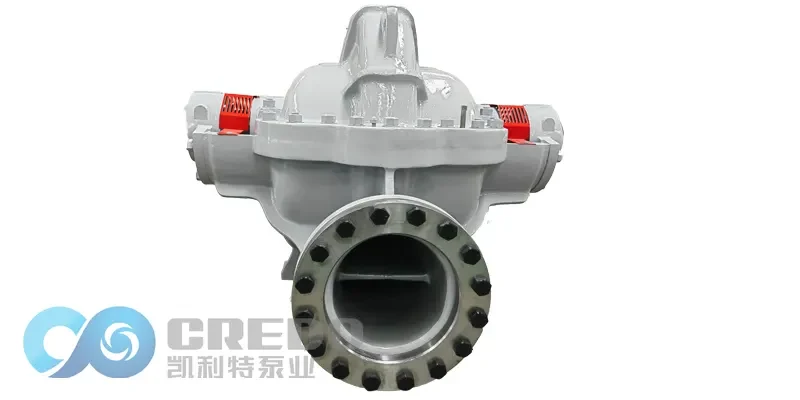
The split casing pump is a widely used piece of industrial equipment known for its durability and performance. However, improper operation and lack of maintenance can significantly reduce its service life and even pose risks to production safety. This article highlights common mistakes that lead to damage and offers actionable strategies to extend the lifespan of a split casing pump.
Common Causes of Split Casing Pump Damage
Understanding the main contributors to pump failure is the first step to improving performance and reliability:
1. Overload Operation
Cause: Operating beyond the rated flow and head for extended periods.
Impact: Overheating, accelerated wear, and shortened service life.
Solution: Regularly verify operating parameters and consider pump re-selection if overloading persists.
2. Improper Installation
Cause: Incorrect pump positioning or poor pipeline design.
Impact: Cavitation, vibration, and uneven load distribution.
Solution: Follow the manufacturer’s installation guidelines and ensure that the pipeline is properly aligned and unobstructed.
3. Lack of Maintenance
Cause: Skipping routine maintenance and inspections.
Impact: Wear, corrosion, and eventual failure.
Solution: Implement a strict maintenance schedule, including regular checks of seals, bearings, and lubricants.
4. Unsuitable Media
Cause: Pumping corrosive or particle-laden fluids without proper consideration.
Impact: Degradation of impellers and pump casing.
Solution: Select pumps made from suitable materials and designs for handling corrosive or abrasive media.
5. Air Inhalation
Cause: Installation height too high or air leaks in the suction line.
Impact: Cavitation and reduced hydraulic performance.
Solution: Inspect and seal suction lines to prevent air entry and maintain proper priming.
6. Operating with a Closed Valve
Cause: Running the pump with the discharge valve completely shut.
Impact: Pressure buildup and overheating, damaging seals and the pump body.
Solution: Install a bypass line to allow fluid circulation during startup or low flow conditions.
7. Excessive Vibration
Cause: Poor foundation or misalignment.
Impact: Component loosening, mechanical failure.
Solution: Use stable foundations and apply vibration damping if necessary.
8. Inadequate Cooling
Cause: Low water levels or poor ventilation.
Impact: Motor overheating and burnout.
Solution: Maintain proper cooling through regular checks and ensure the pump environment is suitable.
9. Ignoring Environmental Factors
Cause: Installing the pump in humid, dusty, or corrosive environments without protection.
Impact: Moisture ingress or dust buildup in the motor and electronics.
Solution: Implement environmental protection measures based on site conditions.
Conclusion
Extending the service life of a split casing pump requires a commitment to proper installation, regular maintenance, and informed operation. By avoiding common pitfalls and implementing the best practices outlined above, users can ensure higher efficiency, reduced downtime, and long-term reliability of their pumping systems.