How to Install a Submersible Vertical Turbine Pump: Precautions and Best Practices
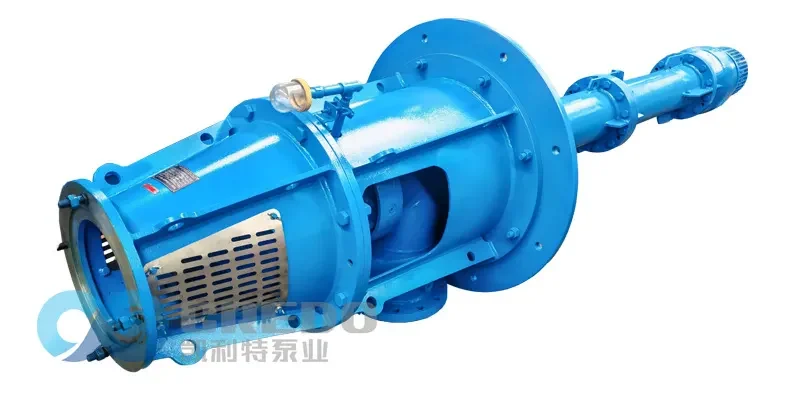
Proper installation of a submersible vertical turbine pump is essential to ensure reliable performance, minimize downtime, and extend equipment life. This guide provides a detailed overview of the key installation procedures, trial run steps, and safety precautions to help users achieve optimal results.
Why Proper Installation of Submersible Vertical Turbine Pumps Matters
Incorrect installation can lead to reduced performance, frequent failures, and costly repairs. Ensuring correct positioning, electrical connection, sealing, and cooling are crucial to achieving the designed flow rate and pressure while avoiding operational risks.
Best Practices for Installing a Submersible Vertical Turbine Pump
| Installation Aspect | Best Practices |
| Installation Location | • Select a level, solid foundation free from external vibration sources • Avoid environments with excessive humidity, corrosive substances, or high ambient temperatures |
| Water Inlet Conditions | • Ensure the inlet is fully submerged below the liquid level to prevent air ingress and cavitation • Use short, straight inlet piping to reduce flow resistance and ensure smooth suction |
| Drainage System | • Inspect drainage pipes and connections for leaks or weak joints • Maintain proper drainage height relative to liquid level to avoid backpressure and pump overload |
| Electrical Wiring | • Match power supply voltage with pump rated specifications • Use cables with appropriate current capacity and ensure secure, well-insulated connections |
| Seal Integrity | • Check mechanical seals and flange connections for tightness • Replace worn or damaged seals promptly to prevent leakage |
| Lubrication & Cooling | • Fill with manufacturer-specified lubricant and correct oil grade • Ensure surrounding liquid provides adequate cooling for motor and bearings |
Trial Run Procedure for a Submersible Vertical Turbine Pump
| Stage | Key Actions |
| Pre-Run Installation Check | • Verify all connections (power, inlet, outlet, control lines) are correctly installed and leak-free |
| Fill the Pump with Liquid | • Ensure pump inlet is fully submerged to prevent dry running • Maintain sufficient liquid level for uninterrupted suction |
| Valve Settings | • Fully open the inlet valve • Slightly open the outlet valve to allow controlled flow and prevent pressure shock |
| Pump Start-Up | • Start the pump gradually • Confirm motor rotation direction matches manufacturer requirements |
Key Observations During the Trial Run
| Monitoring Item | Inspection Focus |
| Flow & Pressure | • Confirm operating values meet design and performance specifications |
| Noise & Vibration | • Listen for abnormal noise and monitor vibration indicating misalignment or mechanical faults |
| Temperature | • Monitor motor and bearing temperatures to avoid overheating |
| Leakage Check | • Inspect all joints, seals, and flanges for leakage |
| Operational Stability | • Observe continuous operation for 30–60 minutes to ensure stable performance |
Safety Precautions and Post-Trial Actions
| Category | Requirements |
| Operational Safety | • Follow manufacturer’s installation and operation manuals • Wear appropriate PPE such as gloves and goggles • Ensure qualified technicians are present during trial operation |
| Post-Trial Inspection | • Perform a full system inspection after shutdown • Recheck all components for leaks or abnormalities |
| Data Recording & Adjustment | • Record trial run data including pressure, flow, vibration, and temperature • Use collected data to optimize pump settings and operating conditions |
Conclusion: Reliable Operation Starts with Proper Installation
A well-executed installation is the foundation of reliable and long-lasting performance for any submersible vertical turbine pump. By following industry best practices—selecting the right site, ensuring correct electrical and hydraulic setups, conducting thorough testing, and prioritizing safety—operators can significantly reduce the risk of premature failure or downtime.
Investing time and attention during the installation and trial run phases ensures the pump operates efficiently from day one, helping to achieve sustainable performance and lower long-term maintenance costs.