How to Maintain the Packing Seal of a Split Case Pump
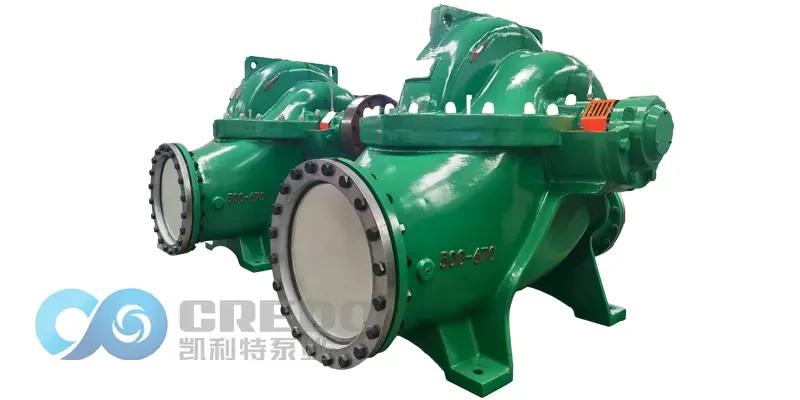
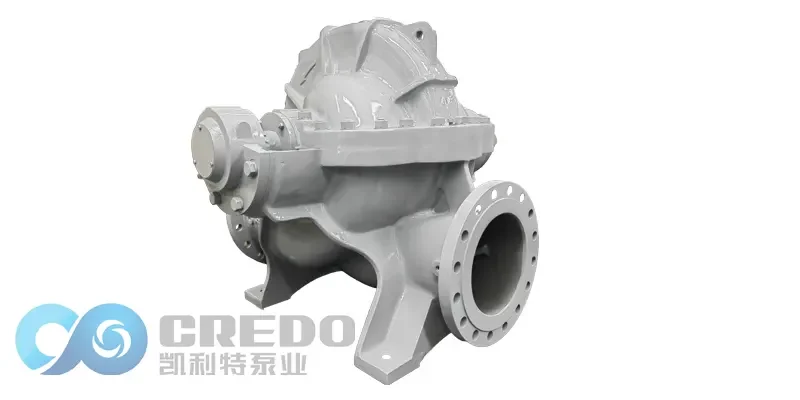
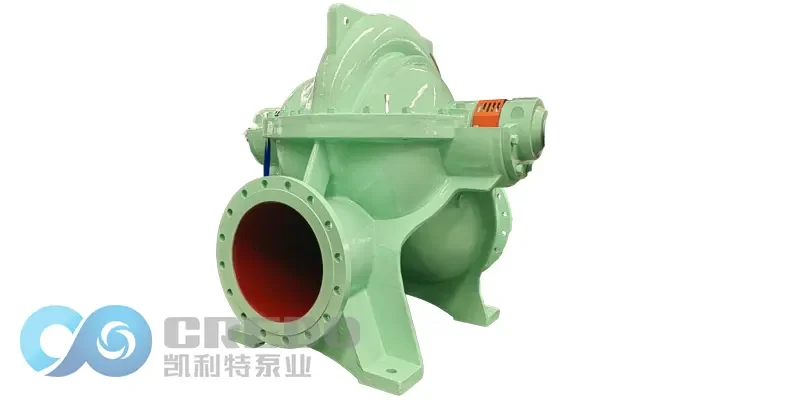
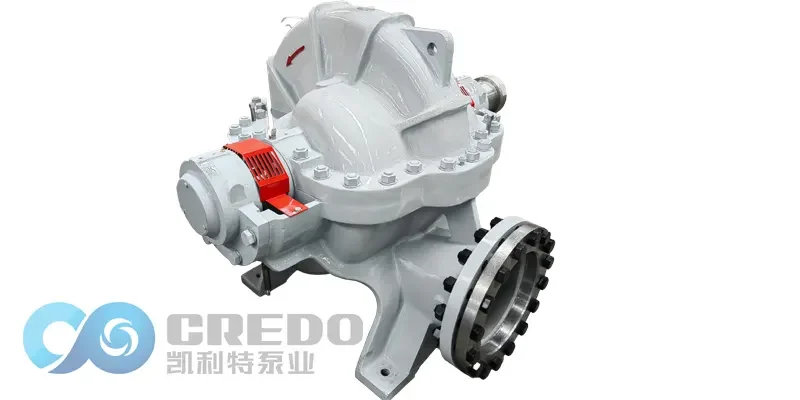
Proper packing seal maintenance is essential for ensuring reliable, efficient, and leak-free operation of a split case pump. A well-maintained packing seal not only prevents fluid leakage but also protects the shaft, minimizes wear, and extends the overall service life of the pump. This guide provides clear, step-by-step instructions for inspecting, installing, and maintaining packing seals in split case pumps.
1. Clean and Inspect the Stuffing Box
Completely clean the stuffing box of the split case pump.
Remove any metal particles, dust, corrosion, or leftover fluid.
Inspect the shaft surface for scratches, burrs, or wear marks. A smooth shaft surface is critical for proper sealing.
2. Check Shaft Run-Out
Use a dial indicator to measure radial run-out.
Excessive run-out increases vibration, accelerates packing wear, and leads to leakage.
Ensure the shaft remains within manufacturer-recommended tolerances.
3. Lubricate the Shaft and Packing Box
Apply a compatible sealant or lubricant to reduce installation friction.
Ensure the lubricant matches the pumped medium and operating conditions.
4. Cut Packing Rings Accurately
If using packing from rolls, wrap it around a mandrel matching the shaft diameter.
Cut at a 45° angle for a clean joint.
Avoid uneven ends, which can cause leakage paths.
5. Install Packing Rings One by One
Lubricate each ring individually.
Insert rings axially into the stuffing box—never stretch or twist them.
Avoid radial pulling to prevent deformation.
6. Compress the Packing Using a Temporary Sleeve
Use a soft or same-material temporary shaft sleeve to seat the packing.
Apply moderate pressure with the gland to achieve 5–10% initial compression (maximum 20%).
Turn the shaft one full rotation to ensure uniform seating.
7. Stagger Ring Joints Correctly
Proper staggering prevents straight leakage channels:
2 rings: 180° apart
3–6 rings: 120° apart
4–8 rings: 90° apart
Continue installing and compressing each ring in sequence.
8. Final Compression and Adjustment
After installing the final ring, tighten the gland slightly—do not over-tighten.
Rotate the shaft by hand to check uniform friction and alignment.
Back off the gland slightly to avoid excessive heat generation.
9. Trial Run and Performance Check
During the test run, monitor:
Leakage rate
Packing temperature
Shaft friction and smoothness
Guidelines:
Slight leakage is normal and helps lubricate the packing.
Packing temperature should stay 30–40°C above ambient.
Adjust gland compression as needed to balance sealing and cooling.
Conclusion
Maintaining the packing seal of a split case pump requires precision, proper installation techniques, and regular monitoring. By following these recommended procedures, operators can reduce leakage, minimize wear, prevent unplanned downtime, and ensure long-term reliability of their split case pump. Always refer to the pump manufacturer’s technical manual for model-specific tolerances and maintenance requirements.