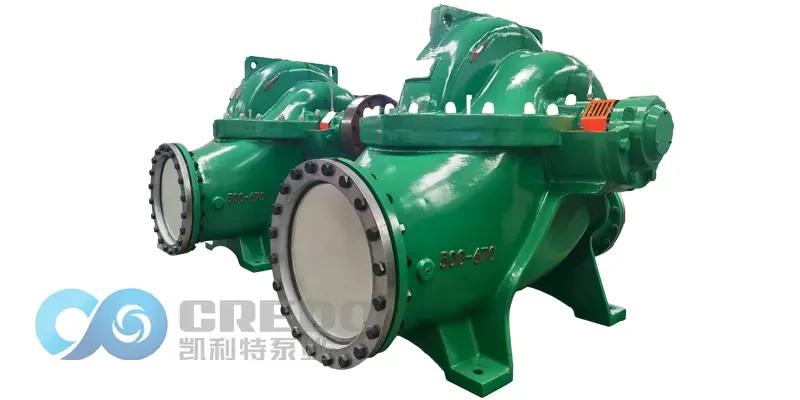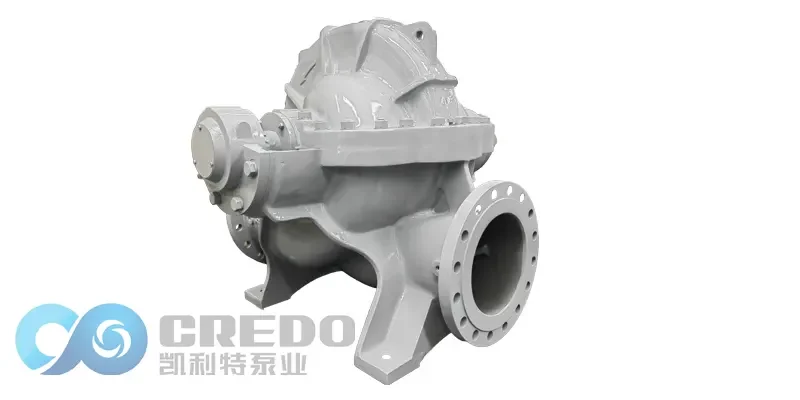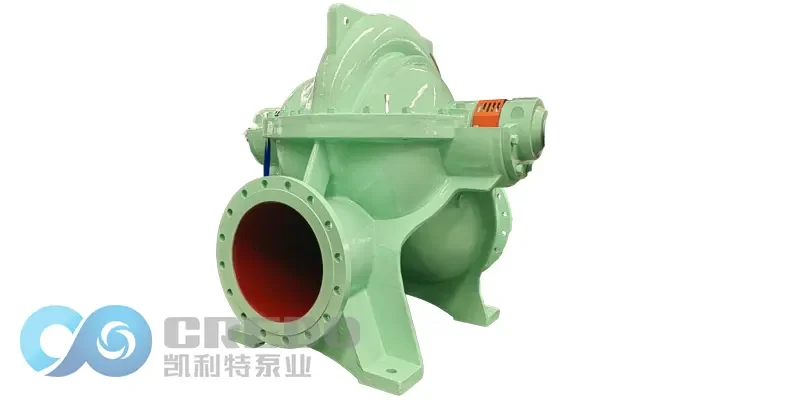
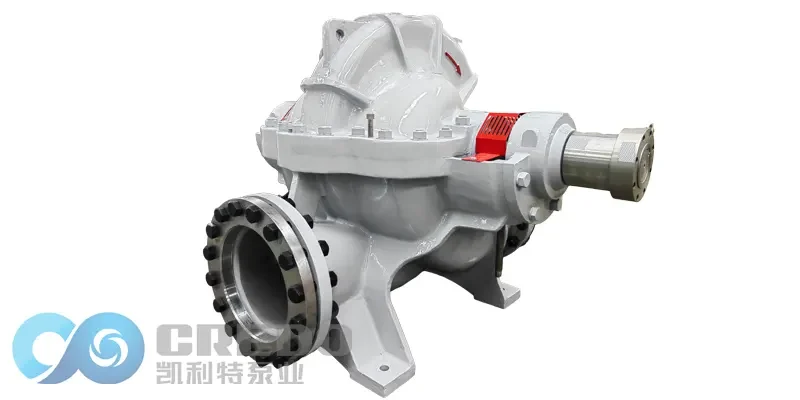
How to Optimize Horizontal Split Case Pump Operation for Maximum Efficiency (Part A)
Horizontal split case pumps are widely used across various industries due to their robust construction, compact design, and operational reliability. In recent years, their application has expanded significantly in process systems, water distribution, and bulk liquid transfer. This surge in usage is largely attributed to technological advancements in pump design, control systems, and manufacturing. However, to ensure optimal performance and reliability, it’s critical to understand how to operate a horizontal split case pump effectively—especially in relation to the Best Efficiency Point (BEP) and operating conditions.
Key Advantages Driving Adoption of Horizontal Split Case Pumps
1. Enhanced Centrifugal Pump Sealing Technologies – Modern sealing systems reduce leakage and maintenance.
2. Advanced Understanding of Fluid and Rotational Dynamics – Improved modeling helps engineers optimize pump performance.
3. Precision Manufacturing Techniques – Accurate production of rotating parts allows for better efficiency at lower costs.
4. Integration with Variable Speed Drives (VSDs) – Simplified control of pump speed and flow enhances operational flexibility.
Understanding the Best Efficiency Point (BEP)
The Best Efficiency Point (BEP) is the flow condition at which a horizontal split case pump operates most efficiently and experiences the least hydraulic instability. Operating outside the BEP range can lead to increased vibration, uneven loading, and premature wear on critical components such as seals, bearings, and impellers.
Ideal Operating Range: Generally between 80% and 109% of BEP.
Consequences of Deviating from BEP:
– Increased unbalanced radial forces
– Reduced component life
– Higher maintenance frequency
A horizontal split case pump should be selected based on a detailed understanding of the system curve, ensuring most operations occur near BEP.
Impact of NPSHR and Internal Recirculation
The Net Positive Suction Head Required (NPSHR) often limits the safe operating range of a horizontal split case pump. At flow rates significantly higher than BEP, pressure at the suction side can fall below NPSHR, increasing the risk of cavitation.
This can cause:
– Surface erosion
– Loss of efficiency
– Mechanical damage
As pumps age, internal clearances widen, leading to internal recirculation, especially at low flows. Recirculation contributes to energy loss and can disrupt stable flow within the pump housing.
Evaluating the Entire Operating Profile
Operators should analyze the complete pump performance curve when selecting and operating horizontal split case pumps, especially for systems with fluctuating flow or pressure demands, such as:
– Closed-loop systems
– Recovery or recycling systems
– Variable-head bulk transfer systems
Ignoring the alternative or off-design operating points can result in reduced reliability, lower efficiency, and increased operating costs.
Managing Extreme Operating Conditions in Bulk Transfer
In bulk liquid transfer systems, horizontal split case pumps often deal with varying suction and discharge levels. This creates extreme operating points:
– Highest head condition
– Lowest head condition
Some operators mistakenly size the pump based solely on the highest head point and align BEP accordingly, leading to:
– Oversized pumps
– Inefficient operation at low head
– Increased energy consumption
– Excessive vibration and wear
Strategic Pump Selection: Finding the Middle Ground
The best approach for horizontal split case pump selection in variable head applications is to position the BEP between the two extremes:
– Left of BEP for the highest head
– Right of BEP for the lowest head
This ensures the pump performs optimally across the full operating range. Additionally, operators should consider installing variable speed drives (VSDs), especially where there is a significant difference in head levels, to adjust flow and pressure dynamically and efficiently.
Conclusion
Optimizing the operation of a horizontal split case pump involves more than just choosing the right model—it requires careful analysis of the system curve, BEP alignment, NPSHR constraints, and potential for recirculation. By thoroughly evaluating all possible operating points and accounting for extreme head conditions, operators can ensure reliable, energy-efficient, and cost-effective performance throughout the pump’s service life.