How to Prevent Split Casing Pumps from Freezing in Winter?
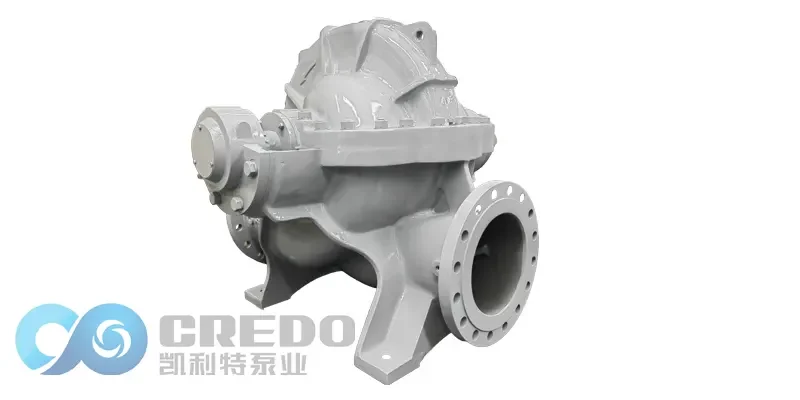
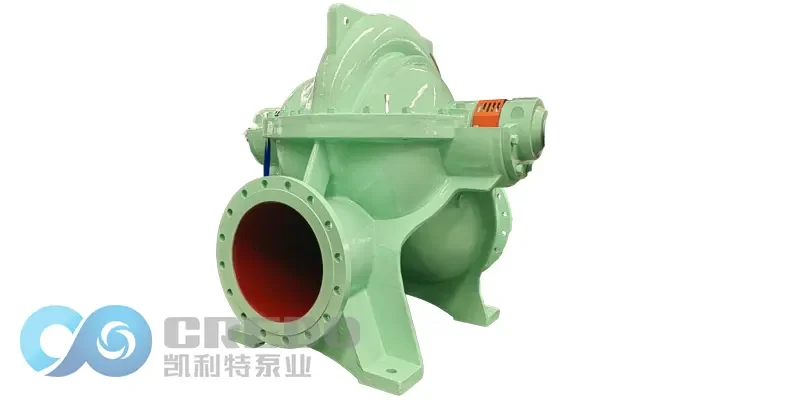
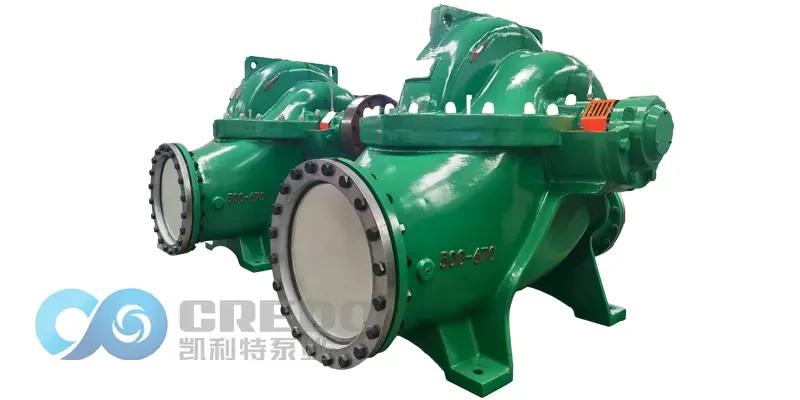
As winter temperatures continue to drop, split casing pump equipment is prone to freezing damage in low-temperature environments, affecting normal operation. To ensure the safe and stable performance of your equipment, Credo Pump has prepared this anti-freeze guide to help you take proper precautions and avoid unnecessary losses.
Anti-Freeze Measures for Split Casing Pumps
- Add Insulation Materials
– Add insulation materials such as thermal insulation cotton or cloth to the split casing pump and its pipelines to prevent freezing in low temperatures.
(Insulation materials should be evenly wrapped around the pump and pipelines to ensure effective thermal protection.)
- Drain the Pump Casing
– For pumps that are temporarily not in use, cut off the power supply, close the inlet and outlet valves, and drain the medium inside the pump casing to prevent internal liquid from freezing and damaging the pump.
- Maintain Indoor Temperature
– For pumps installed indoors, keep the equipment room doors and windows closed and maintain the indoor temperature above 0°C.
– If the pump room cannot maintain above-freezing conditions, additional insulation measures should be taken.
– For unfinished underground pump rooms, ensure all ventilation openings or wind tunnels are properly sealed.
Split Casing Pump Defrosting Methods
1. Natural Defrosting
– If the split casing pump or pipelines are found frozen, do not force start the pump, as this may cause equipment damage.
– Place the pump in a warm environment and allow it to thaw naturally.
2. Warm Water Defrosting
– You may wrap the pipe with a hot towel and then rinse with warm water to melt the ice.
– Do not use open flames or pour boiling water directly, as these may cause the pump casing or pipeline to crack.
Precautions
When adding insulation materials, avoid covering the motor housing cooling fins and fan cover to prevent compromising the pump’s cooling performance.
When draining the pump casing, ensure thorough drainage to prevent remaining liquid from freezing.
For split casing pumps installed outdoors or in locations without heating, inspect the pump before operation to ensure it is not frozen. If any components are found deformed or damaged due to freezing, contact the after-sales personnel for assistance.
Conclusion
Anti-freeze protection for split casing pumps is crucial in winter. We hope you follow the above guidelines to ensure your equipment remains safe and operational throughout the cold season. If you have any questions or need assistance, please feel free to contact us. Let us work together to ensure safe and stable operation of your equipment!