How to Select the Right Impeller for Your Axial Split Case Pump Application
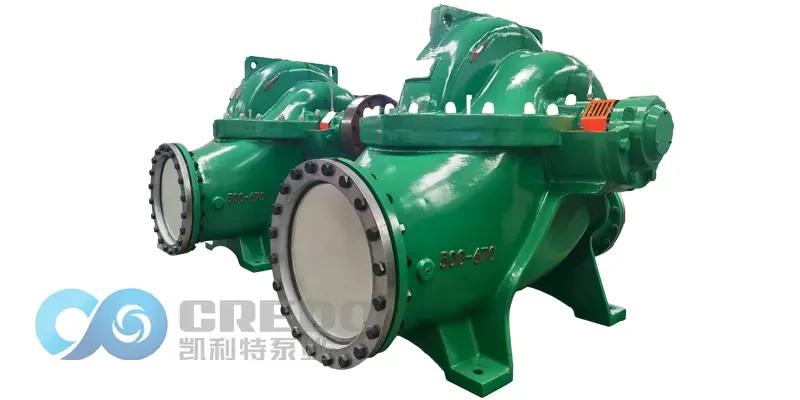
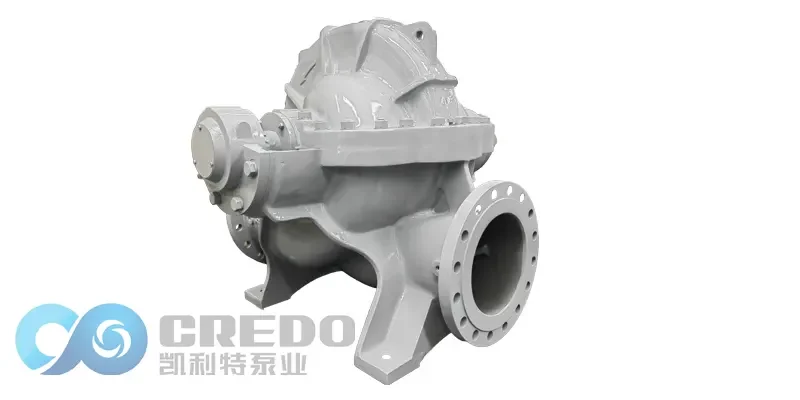
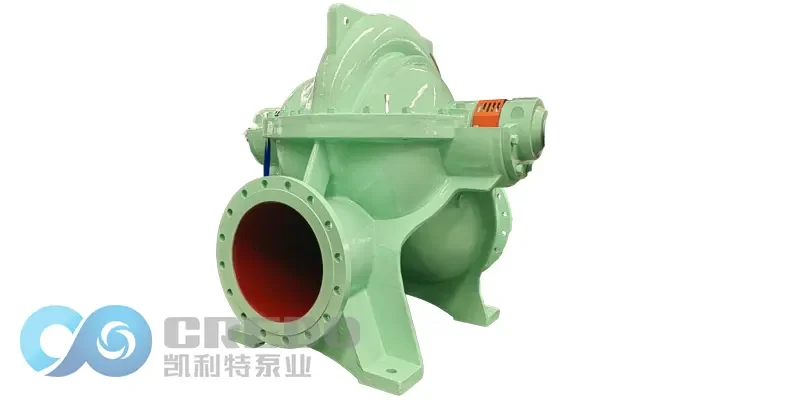
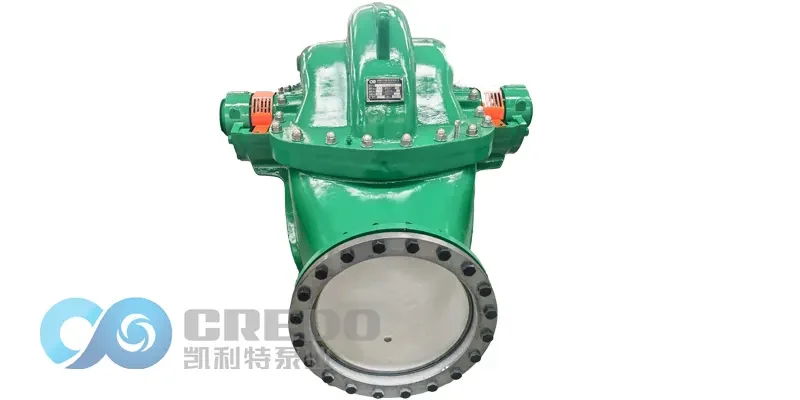
Selecting the appropriate impeller for an axial split case pump is critical for ensuring reliable, efficient performance in various industrial and municipal applications. The impeller plays a direct role in determining flow rate, head, and solids-handling capability, which are all essential to the success of a pumping system.
In this guide, we’ll explore how duty conditions, solids content, impeller types, and system design affect impeller selection for axial split case pumps.
1. Define the Duty Point: Flow and Head Requirements
The starting point in selecting an axial split case pump impeller is understanding the duty point—the required flow rate and total dynamic head (TDH). This operating point determines the size and geometry of the impeller. For example:
High-head applications (long-distance or vertical pumping): require impellers with a larger outer diameter to generate sufficient pressure.
Low-head applications (recirculation or internal transfer): may use smaller impellers optimized for high flow at lower energy input.
Matching the pump to the duty point ensures energy efficiency and mechanical longevity.
2. Consider Solids Content in the Pumped Media
Solids present in the fluid have a significant impact on both impeller selection and axial split case pump performance. The types of solids encountered may include:
Fine abrasives (sand, silt, metal shavings)
Fibrous materials (paper pulp, rags)
Large solids (rocks, plastic pieces, organics)
To prevent clogging, abrasion, or excessive wear, impeller geometry must be selected to match the expected solids load.
It is also necessary to consider downstream components—such as valves and piping—which may restrict solids-handling capability more than the pump itself.
3. Impeller Styles for Solids-Handling Applications
3.1 Open Impellers
Common in sewage, slurry, and wastewater treatment systems.
Characteristics:
Wide passages that ease solids passage
Reduced clogging risk
Easy cleaning and maintenance
However, open impellers may show faster wear and may require more frequent inspection.
3.2 Vortex (Recessed) Impellers
Mounted away from the inlet and move fluid via induced vortices.
Advantages:
Maximum solids clearance
Minimal wear and blockage
Excellent for large or fibrous solids
Though less energy-efficient, vortex impellers offer higher reliability under heavy solids-loading conditions.
4. Special Considerations for High-Pressure and High-Altitude Applications
High-pressure axial split case pump systems—especially at high altitudes or with deep lift requirements—often use smaller-diameter pipelines and inlet strainers to prevent large solids from entering the pump.
Pros: Protects impeller and internal surfaces from solids damage.
Cons: In solids-rich environments, strainers may clog quickly, causing pressure drops and reduced pump performance.
When specifying pumps for these environments, it is essential to evaluate solids-handling capability for the entire system—not just the pump.
5. Summary and Best Practices
A correct impeller selection requires clear understanding of system conditions. Key points include:
Always define the duty point before selecting pump size and impeller diameter.
Analyze the type and size of solids in the process fluid.
Select between open and vortex impellers based on solids load and maintenance needs.
Evaluate complete system solids handling, including strainers, valves, and pipe sizing.
Conclusion
Selecting the optimal impeller is one of the most important decisions in specifying an axial split case pump. A well-matched impeller improves pump performance, reduces downtime, lowers energy consumption, and minimizes wear-related failures.
For complex or solids-heavy applications, always consult with pump manufacturers or engineering specialists to ensure full compatibility with site conditions and long-term operational goals.