How to Troubleshoot Performance Issues in Horizontal Split Case Pumps
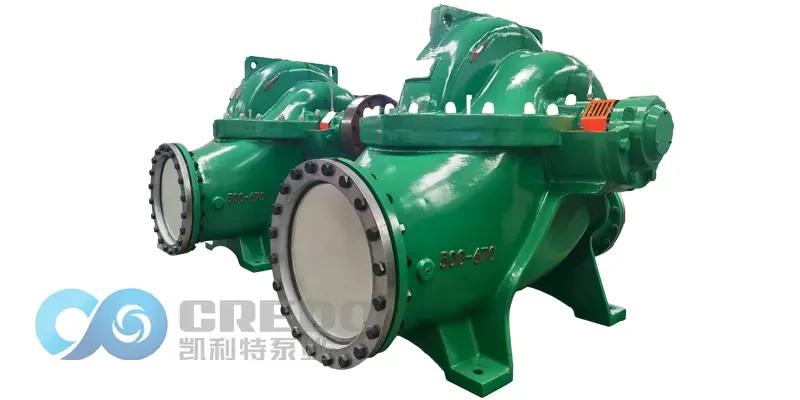
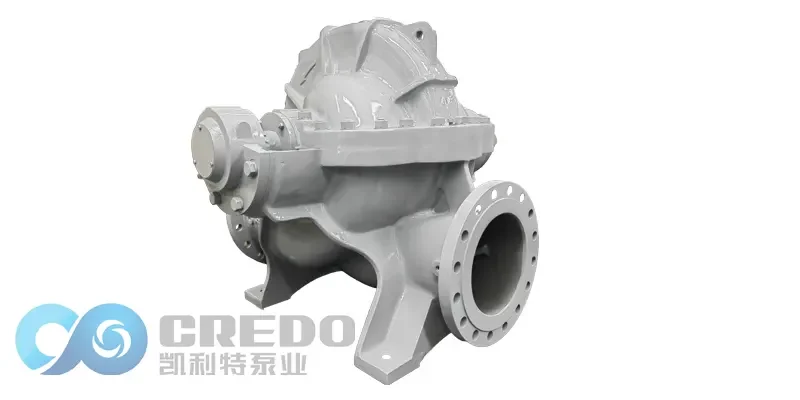
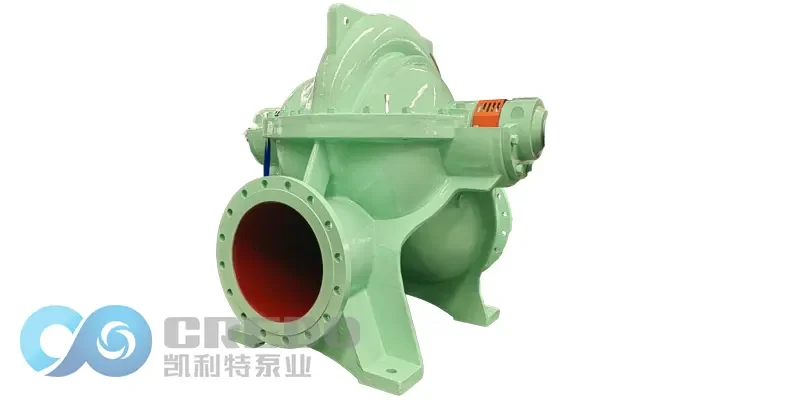
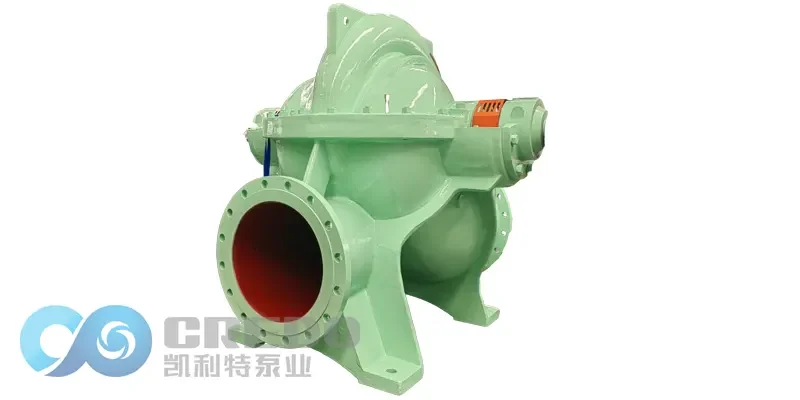
A horizontal split case pump is a common and reliable choice for fluid transport in industrial, municipal, and commercial applications. However, even after proper servicing, a pump may exhibit performance issues. Effective troubleshooting is essential to identify whether the problem lies with the pump itself, the pumped media, or the associated piping system. This article offers a systematic approach to diagnosing problems in a horizontal split case pump setup and restoring optimal performance.
Verifying Horizontal Split Case Pump Performance
Start by measuring the pump’s total dynamic head (TDH), flow rate, and efficiency, and compare these values to the manufacturer’s performance curve. TDH is calculated from the difference between discharge and suction pressures, converted to feet or meters of head. If there is little or no head or flow at startup, shut the pump down immediately to prevent damage from dry running. If the measured operating point aligns with the pump curve, then the pump is functioning properly, and attention should shift to the system or fluid characteristics. If the operating point falls below the pump curve, the issue may involve the pump, the system, or the pumped fluid.
Understanding Pumped Media Effects
The physical properties of the pumped fluid—such as viscosity, specific gravity, and temperature—can significantly affect the pump’s performance. For instance, fluids like mineral oil become more viscous with lower temperatures, increasing resistance and lowering efficiency. In cases where acids or bases are involved, concentration affects specific gravity and, therefore, power demand. Testing fluid properties is inexpensive and can rule out issues caused by the pumped media.
Assessing System Conditions
If fluid properties are not the root cause, the system layout should be examined. Common system-related problems include:
1. Too Low Flow (Too High Head): Restrictions in the suction or discharge line can reduce flow. Cavitation may result from low suction head. Check for malfunctioning level switches or improperly positioned valves.
2. Too Low Head (Excessive Flow): Leaks, faulty check valves, or diverter valves can lead to excessive flow, lowering discharge pressure.
3. Incorrect Pump Selection: An improperly sized impeller or mismatched pump may not suit the system requirements.
Common Mechanical Issues with Horizontal Split Case Pumps
When performance issues persist even after checking media and system parameters, internal pump faults may be to blame. Likely causes include:
– Damaged or clogged impeller
– Obstructed volute
– Excessive wear ring or impeller clearance
– Shaft slippage within the impeller
– Incorrect driver speed
While some of these conditions can be verified externally, others require disassembling the horizontal split case pump for inspection.
Conclusion
Troubleshooting a horizontal split case pump requires a methodical approach. By evaluating pump performance against its curve, testing the pumped media, and assessing the system configuration, technicians can identify and resolve most issues effectively. When in doubt, consulting with pump manufacturers or experienced engineers can help ensure safe and optimal operation.