Impeller Trimming for Multistage Vertical Turbine Pumps: When and Why It Matters
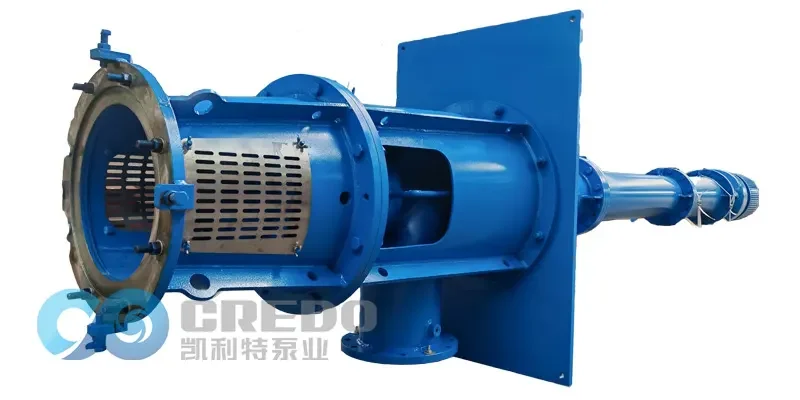
In multistage vertical turbine pump applications, impeller trimming is a commonly used method for adjusting pump performance to better align with actual system requirements. It involves reducing the impeller diameter to decrease the amount of energy imparted to the pumped fluid. This practice helps improve efficiency, reduce energy consumption, and extend the lifespan of the pumping system.
When to Consider Impeller Trimming
Trimming the impeller of a multistage vertical turbine pump may be warranted under the following conditions:
– Frequent use of system bypass valves, indicating excess flow availability.
– Significant throttling is necessary to control system or process flow.
– High noise and vibration levels suggest over-capacity flow.
– The pump operates far from its design point, typically at a much lower flow rate.
Benefits of Impeller Trimming
Adjusting the impeller diameter offers several key benefits for multistage vertical turbine pump users:
– Reduced energy consumption, since less power is required to move fluid at reduced flow rates.
– Lower maintenance costs due to reduced wear on valves, piping, and mechanical joints.
– Decreased system vibration, minimizing the risk of fatigue failures in pipe welds and supports.
– Enhanced overall system stability by aligning pump output more closely with demand.
System Design Considerations
Reducing excess fluid energy helps avoid overloading pipe supports, which are typically designed for static and thermal expansion loads—not dynamic vibration caused by high-velocity flows. When a multistage vertical turbine pump operates at higher than necessary energy levels, it can result in noise, leaks, cracked joints, and eventual system downtime.
Limitations of Impeller Trimming
Despite its advantages, impeller trimming has certain limitations. Reducing the impeller diameter too much can negatively affect pump efficiency. Because the relationship between impeller diameter and performance is nonlinear, accurate predictions become difficult. Most manufacturers recommend not reducing the diameter below 70% of the original size.
Additionally, impeller trimming can increase the Net Positive Suction Head Required (NPSHR), potentially leading to cavitation if the system’s available NPSH (NPSHA) falls short. It is crucial to consult the pump manufacturer’s data when evaluating these risks, especially for critical multistage vertical turbine pump installations.
Impeller trimming is a strategic solution to improve the efficiency and reliability of multistage vertical turbine pumps when system demands have changed or when initial sizing was too conservative. While it can deliver significant cost and energy savings, careful analysis and manufacturer consultation are necessary to avoid performance drawbacks such as cavitation. Used wisely, impeller trimming can greatly enhance the long-term performance of vertical turbine pumping systems.