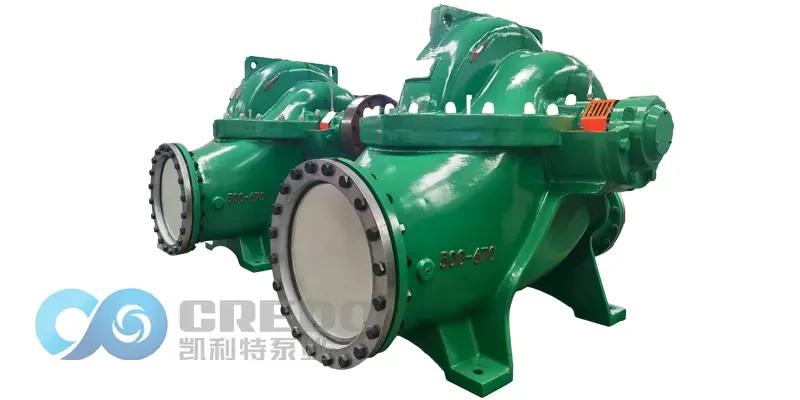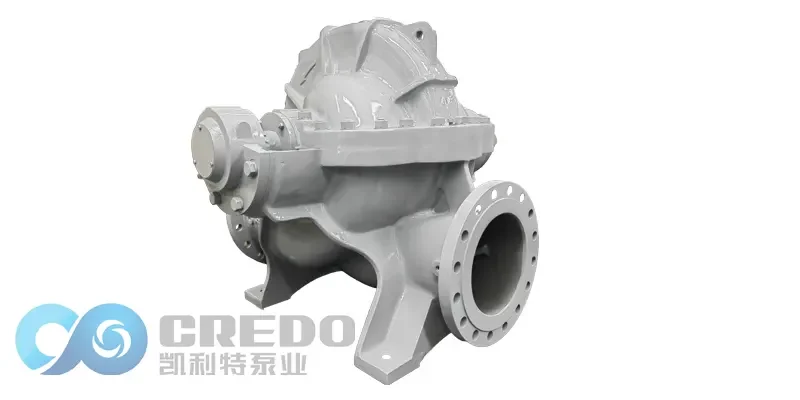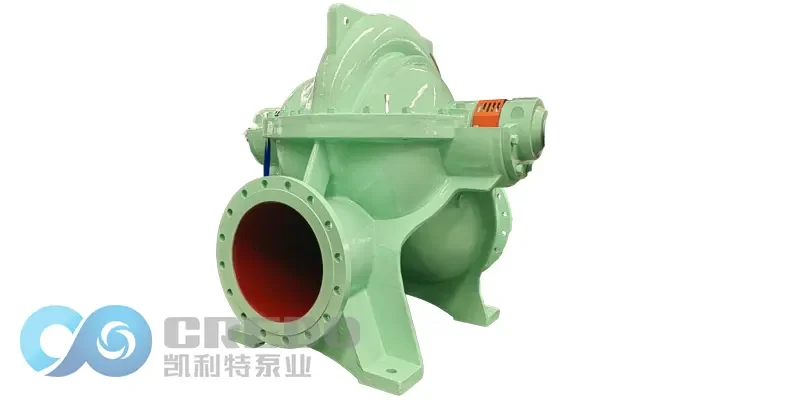
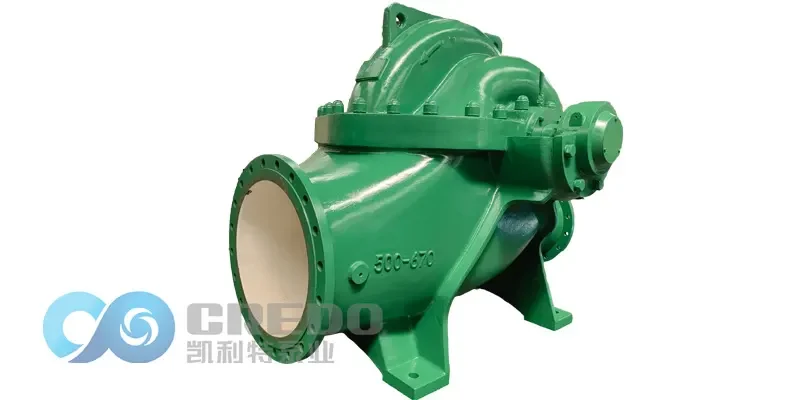
Preventive Maintenance and Standardized Operating Procedures for Split Case Centrifugal Pumps
The split case centrifugal pump is a cornerstone of many industrial and municipal fluid handling systems, prized for its high capacity, efficiency, and durability. However, to fully realize its performance and service life, a proactive and standardized approach to operation and maintenance is essential. This article outlines key preventive maintenance checks and standard procedures designed to enhance pump reliability, reduce lifecycle costs, and ensure safe operation.
Check 1: Consider the Full Life Cycle Cost (LCC)
Why LCC Matters
Many facilities make the mistake of selecting equipment based solely on upfront costs. Instead, decision-makers should evaluate life cycle costs (LCC)—the total cost of owning and operating a split case centrifugal pump over its lifetime.
Key Considerations for LCC Optimization
Collaborative planning between maintenance, operations, and engineering during early project phases.
Smart equipment design:
Inlet piping length should be ≥10× the pump inlet diameter to reduce turbulence and cavitation risk.
Hinged tank inlets enable safe and quick access.
Fewer bolts reduce wrench time and improve maintenance efficiency.
Oil sampling ports and marked operating ranges on gauges streamline condition monitoring.
Jack bolts (push bolts) on motors and gearboxes allow precise alignment.
Unfortunately, in many plants, engineers are incentivized to complete projects on time and under budget—often at the expense of maintainability. Without LCC as a driving metric, design decisions can create long-term operational burdens.
Check 2: Mechanical Alignment Matters
Is Good Alignment Assumed or Ensured?
Even in plants with alignment tools and trained staff, poor alignment persists due to:
Rushed installation or commissioning
Inadequate base or foundation design
Failure to accommodate thermal growth or avoid pipe strain
Visual Signs of Poor Alignment
Take a walk through the plant and look for:
Foundation cracks or misleveling
Equipment without jack bolts
Sledgehammer marks on pump or motor casings
Excessive shimming (>4 shims)
Hot bearings and frequent vibration alarms
All of these are warning signs of misalignment, which can lead to excessive vibration, bearing wear, and seal failure in your split case centrifugal pump.
Check 3: Limit Harmful Motor Starts
The Risk of Repeated Starts
Starting an AC motor subjects it to high inrush current—often 4 to 7 times the rated load.
Multiple starts in a short period can:
Overheat windings
Accelerate insulation breakdown
Cause catastrophic motor failure
Operational Tip
Ensure operators understand motor behavior and avoid unnecessary or repeated restarts, especially during troubleshooting or process upsets.
Check 4: Steam Systems and Water Hammer Risk
While not directly related to the pump itself, poor steam system practices can impact system components and pump reliability:
Rapid valve opening allows steam to enter cold piping, where it condenses into water.
High-velocity water slams into elbows and flanges, causing water hammer.
This shock can damage pipe supports and connected systems, including pump casings and seals.
Best Practice
Train operators to open steam valves slowly and to preheat lines to minimize condensation-related hammer effects.
Bridging the Operations–Maintenance Gap
A recurring theme in many facilities is the disconnect between operations and maintenance:
Maintenance teams cite operator abuse as the cause of failures.
Operators believe maintenance doesn’t respond proactively enough.
The solution lies in standardized procedures, shared goals, and aligned incentives. Both departments must recognize that reliability is a shared responsibility—especially for mission-critical assets like the split case centrifugal pump.
Conclusion
Maintaining the performance and reliability of a split case centrifugal pump goes far beyond reactive repairs. It requires:
Smart asset selection based on life cycle cost
Precision alignment and installation
Educated operational behavior
Prevention of steam-related system failures
And most importantly, collaboration between departments
By implementing these preventive maintenance practices and standardized operating procedures, organizations can reduce unplanned downtime, extend equipment lifespan, and lower the total cost of ownership.