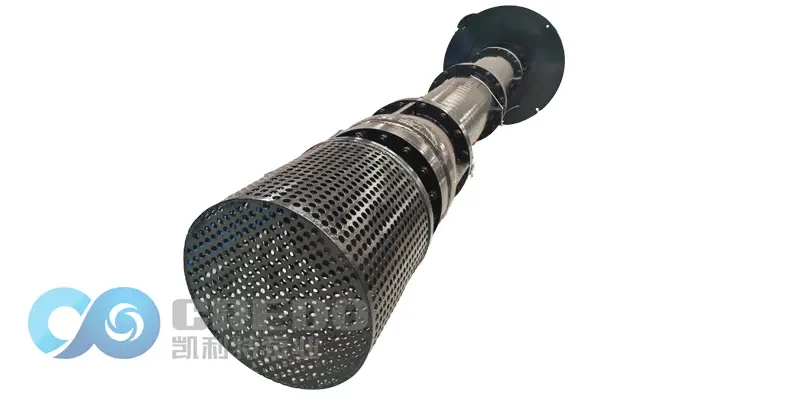
Introduction to Mechanical Seal Failure in Vertical Lineshaft Turbine Pumps
The vertical lineshaft turbine pump is essential in water supply, agriculture, power plants, and industrial applications. While known for its robust construction and long service life, one of its most common points of failure is the mechanical seal. In fact, mechanical seal failure accounts for a significant percentage of pump downtime and maintenance costs.
Understanding the causes of mechanical seal failure—and recognizing that the seal itself is often not the root cause—is key to improving pump performance, reducing repair frequency, and minimizing operational interruptions.
Why Mechanical Seals Fail in Vertical Lineshaft Turbine Pumps
Although the mechanical seal is the first component to show signs of trouble, the actual reason for failure typically lies elsewhere in the system. Below are the primary contributors to mechanical seal failure in vertical turbine pump systems:
| No. | Cause of Mechanical Seal Failure | Description |
| 1 | Bearing Wear | Worn or damaged bearings can cause shaft deflection, leading to seal misalignment, excessive wear, or leakage. |
| 2 | Excessive Vibration | Vibration from imbalance, hydraulic forces, or foundation issues causes seal faces to separate or wear prematurely. |
| 3 | Shaft Misalignment | Poor alignment between motor and pump shaft can apply uneven pressure on the seal, resulting in surface damage or failure. |
| 4 | Improper Seal Installation | If the mechanical seal is not installed per manufacturer guidelines (e.g., incorrect face loading or O-ring placement), early failure is likely. |
| 5 | Incorrect Seal Selection | A seal designed for clean water may not withstand slurry, corrosive fluids, or high pressures. Always match the seal to the fluid and operating environment. |
| 6 | Lubricant Contamination | Contaminated lubricants can degrade seal faces and lead to increased friction, overheating, and eventual breakdown. |
Key Diagnostic Questions During Seal Failure Analysis
When a mechanical seal fails in a vertical lineshaft turbine pump, it’s important to go beyond just replacing the part. A proper root cause analysis should ask:
Is the pump properly aligned and free from excessive vibration?
Was the seal correctly installed by trained personnel?
Is the selected seal compatible with the pumped media and pressure/temperature conditions?
Are the system’s environmental controls (lubrication, cooling, and filtration) operating within required limits?
Identifying the true cause of failure helps prevent repeat issues and enhances system reliability.
How to Improve System Reliability After Seal Failures
Correcting mechanical seal issues not only solves the immediate problem but also unlocks broader operational benefits:
| No. | Benefit of Proper Mechanical Seal Management | Description |
| 1 | Optimized Operating Conditions | Proper alignment, balanced flow rates, and correct seal settings extend seal life and improve overall pump efficiency. |
| 2 | Reduced Downtime | A reliable sealing system prevents unexpected failures, ensuring longer intervals between repairs. |
| 3 | Extended Equipment Life | Minimizing seal-related stress on bearings, shafts, and motor components improves the longevity of the deep well vertical turbine pump. |
| 4 | Enhanced Performance | Stable seal operation ensures consistent pressure delivery, less leakage, and better overall pump performance. |
| 5 | Lower Maintenance Costs | Avoiding frequent seal replacements saves on labor, parts, and lost productivity. |
Conclusion
Mechanical seal failure in vertical lineshaft turbine pumps is a common issue—but often a symptom, not a root cause. By taking a systems-level approach to troubleshooting and incorporating preventive measures such as proper seal selection, installation, and routine alignment checks, facilities can significantly enhance pump reliability and reduce long-term costs.
Investing time in seal failure analysis and proactive maintenance leads to fewer breakdowns, smoother operations, and better return on investment for one of your facility’s most critical assets.