Optimizing Industrial Systems with Horizontal Split Case Pump: Design Advantages and Applications
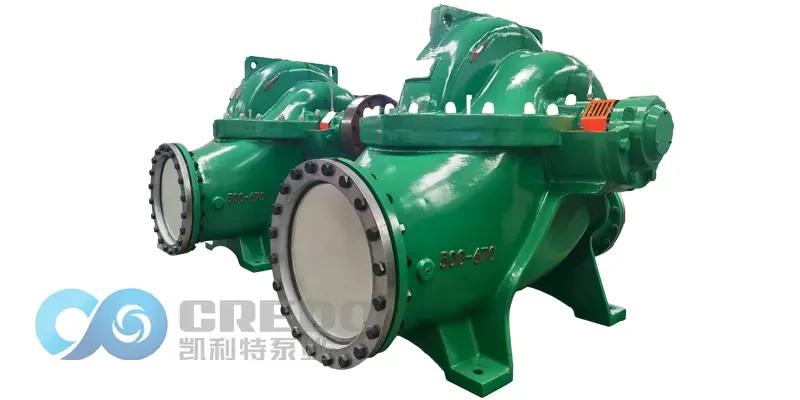
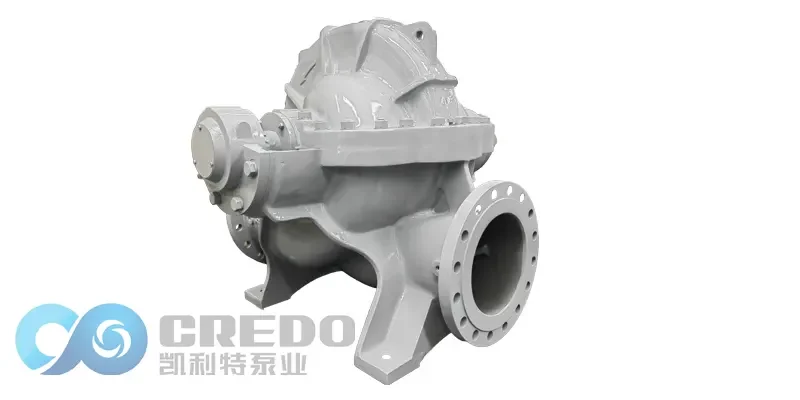
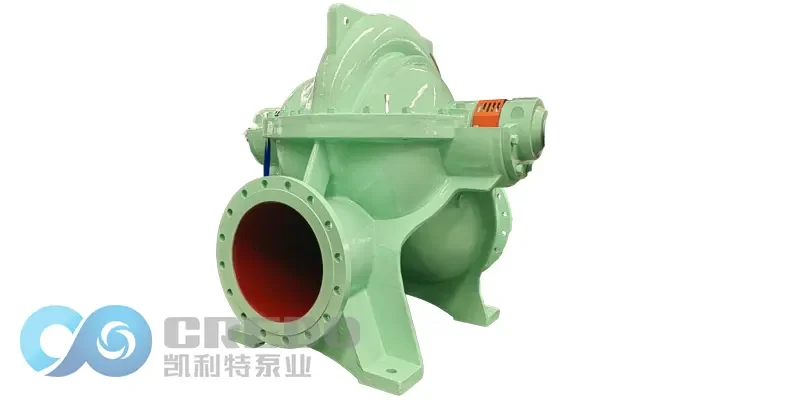
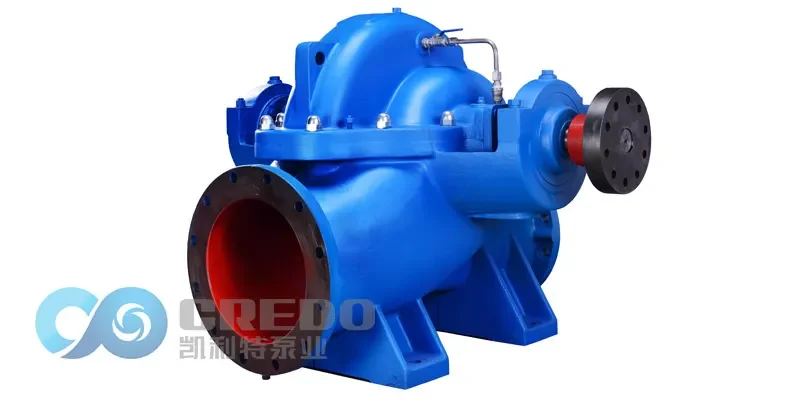
Horizontal split case pumps are engineered to deliver high efficiency, stable flow, and reliable performance in demanding applications. With their symmetrical casing design and dual-suction impeller, they are ideal for large flow and low head conditions. These pumps are widely used in water conservancy, thermal power, fire protection, chemical processing, oil & gas, manufacturing, and environmental protection.
Understanding the Working Principle of Horizontal Split Case Pump
Similar to single suction centrifugal pumps, the horizontal split case pump operates by utilizing centrifugal force to draw liquid into the impeller and discharge it through a volute. The defining feature of the horizontal split case pump is its double suction impeller design, which draws liquid from both sides simultaneously. This not only balances axial thrust but also minimizes bearing load and extends the service life of the pump.
Key Design Features of Horizontal Split Case Pump
High Flow Capacity: Specifically designed for large-volume delivery, making it ideal for high-flow industrial needs.
Axial Force Balance: The dual suction impeller balances axial thrust, reducing stress on mechanical seals and bearings.
Energy Efficiency: Optimized flow passage and impeller geometry contribute to lower energy consumption and higher efficiency.
Low Noise Operation: The internal structure reduces noise levels, enhancing operator comfort and safety.
Ease of Maintenance: The horizontally split casing allows quick access to internal components, simplifying inspection and repair.
Application Fields of Horizontal Split Case Pump
1. Water Conservancy Projects
Horizontal split case pumps play a vital role in large-scale water transfer and management systems:
Agricultural Irrigation: Efficiently lifts water from lakes or rivers to support crop irrigation.
Flood Control & Drainage: Rapidly removes stormwater or wastewater, reducing urban flood risk.
Reservoir Management: Controls water inlet, outlet, and distribution in reservoir systems.
2. Thermal Power Generation
In power plants, these pumps are essential to several circulation processes:
Cooling Water Circulation: Delivers cooling water to maintain optimal temperatures in turbines and generators.
Saturated Water Transport: Moves high-temperature, high-pressure water within thermal cycles.
Ash Handling: Transports wet ash and other waste materials for safe disposal.
3. Chemical Industry
Reliable handling of various chemical fluids makes the horizontal split case pump a core component:
Raw Material Supply: Transfers solvents and chemicals to processing equipment.
Waste Liquid Treatment: Handles acidic, alkaline, or toxic wastewater in compliance with environmental standards.
Reactor Feed: Delivers precise volumes of liquid to chemical reactors.
4. Oil and Gas Sector
Robust performance under challenging conditions ensures efficient fluid management:
Crude Oil Transfer: Facilitates bulk transportation between extraction and processing sites.
Petroleum Refining: Pumps fuels like gasoline, diesel, and lubricants within refineries.
5. Manufacturing Industry
Horizontal split case pumps support multiple industrial operations:
Machine Cooling and Lubrication: Supplies coolant and lubricant to maintain equipment performance.
Process Liquid Delivery: Transports necessary fluids like water, oil, or chemicals during manufacturing stages.
6. Water Supply and Fire Protection
Critical to infrastructure reliability and emergency preparedness:
Municipal Water Supply: Ensures continuous water delivery in urban water networks.
Firefighting Systems: Provides high-flow water supply for fire suppression systems.
7. Environmental Protection and Wastewater Treatment
Supports sustainable development and pollution control:
Sewage Treatment Plants: Transfers and processes municipal and industrial wastewater.
Effluent Transfer: Moves treated or untreated effluent for reuse or safe discharge.
Conclusion
The horizontal split case pump stands out for its balanced performance, efficiency, and versatility across numerous industries. Its robust construction and superior flow characteristics make it a preferred choice for high-demand systems requiring continuous operation and minimal downtime. By selecting the right horizontal split case pump, users can enhance system performance, extend equipment life, and reduce operational costs.