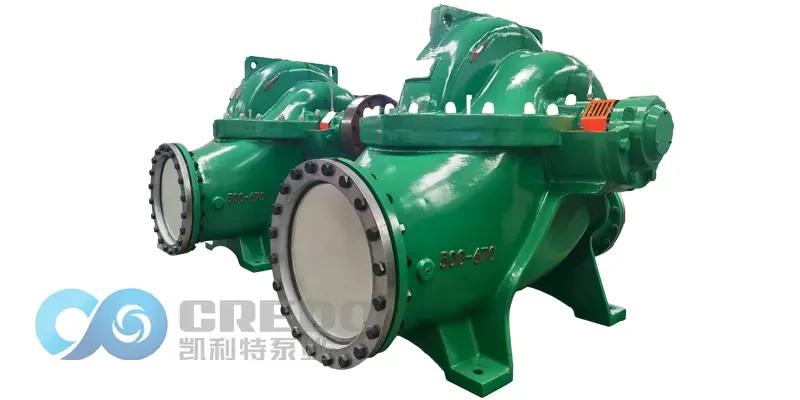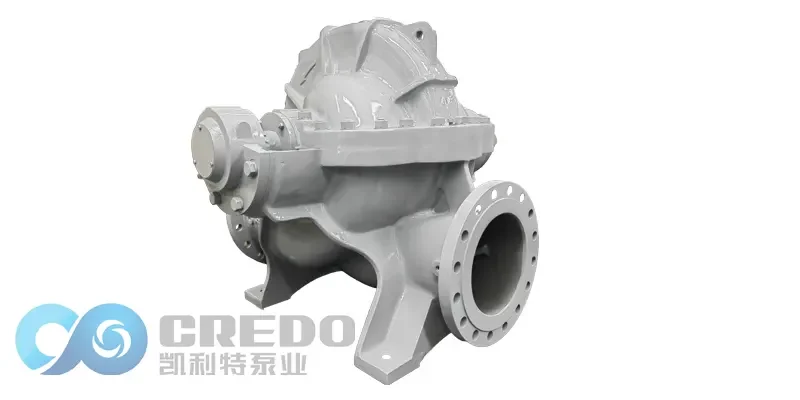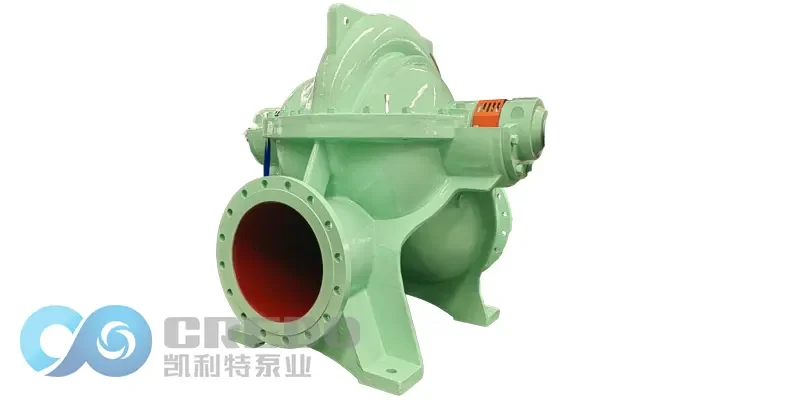
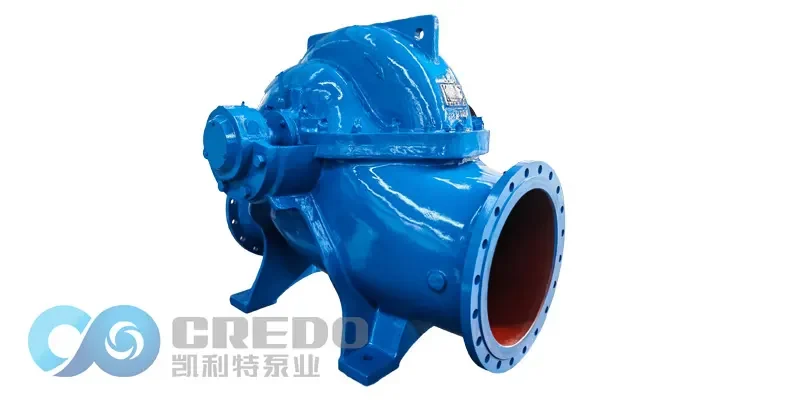
Essential Precautions for Starting a Split Case Pump
Proper startup procedures are essential to ensure safe and efficient operation of a split case pump. Following a systematic approach not only protects the equipment but also maximizes its performance and lifespan.
Preparations Before Starting Split Case Pump
1. Pumping: Ensure that the pumping medium completely fills the pump cavity.
2. Filling via Reverse Irrigation Device: Open the inlet pipeline shut-off valve and all exhaust pipelines. Discharge any trapped air by slowly rotating the rotor. Once no air bubbles are present, close the exhaust valve.
3. Filling via Suction Device: Open the inlet pipeline shut-off valve and all exhaust pipelines. Fill the pump with the medium (ensure the suction pipe has a bottom valve). Slowly rotate the rotor and close the exhaust valve once no air bubbles are observed.
4. Start all auxiliary systems: These include the lubricating oil system, seal flushing system, and cooling or heat preservation systems. Allow these systems to run for at least 10 minutes until they reach stable operation.
5. Manually rotate the equipment to ensure smooth movement. Jog the motor to verify the correct rotational direction of the split case pump. Once confirmed, install the coupling guard.
6. If equipped with a dry gas sealing system: Activate the system by opening the nitrogen inlet valve. Maintain the seal chamber pressure between 0.5–1.0 MPa, and adjust pressure and flow according to specific pump requirements.
Split Case Pump Starting
7. Ensure the suction valve is fully open. Keep the discharge valve closed or slightly open. If there is a minimum flow line, the discharge valve should be fully closed and the minimum flow valve fully open.
8. Close the outlet pipeline’s stop valve while ensuring minimum flow is maintained.
9. Start the motor to bring the pump rotor up to operating speed.
10. Gradually open the outlet valve to achieve the specified outlet pressure and flow. Monitor the motor current to avoid overload. Also check for any seal leakage, abnormal vibration, unusual sounds, or deviations in outlet pressure. Address any anomalies immediately.
11. Once the split case pump is running normally, monitor key parameters such as outlet pressure, flow, motor current, bearing and seal temperatures, lubricant levels, vibration, noise, and any seal leakage. Record operating data accordingly. Close the minimum flow bypass valve if required by process conditions.
Important Notices
· The pump should not be started more than 12 times per hour.
· Ensure the pressure difference does not drop below the design value to avoid system performance fluctuations. The pump outlet pressure equals the inlet pressure plus the required pressure differential.
· Check the ammeter to ensure the full-load current does not exceed the motor’s rated value.
· Motor selection may vary based on the specific gravity of the medium. If the operating medium has a lower specific gravity than the test medium, limit valve openings during startup to prevent overloading. Consult the pump manufacturer if needed.