Understanding the Relationship Between Discharge Pressure and Head in a Deep Well Vertical Turbine Pump
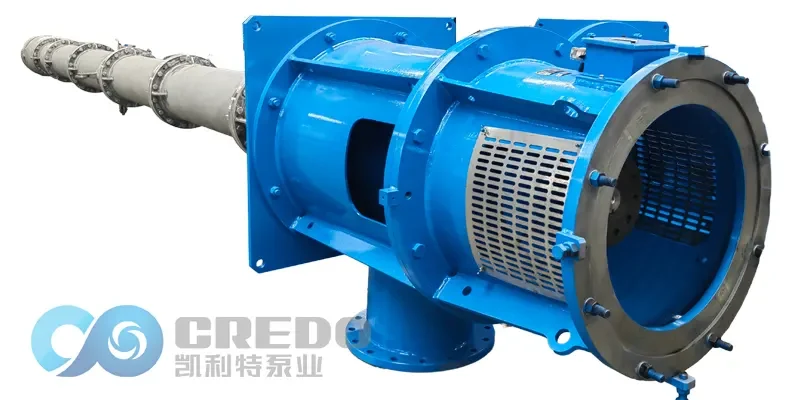
In industrial and municipal water systems, the deep well vertical turbine pump is a vital component for delivering water across significant vertical distances. One of the most important performance aspects of these pumps is their discharge pressure and head. These two parameters are often confused, yet they each serve distinct roles in pump selection, system design, and operational efficiency. In this article, we’ll break down the difference between discharge pressure and head, explore how they are calculated, and explain their relevance to pump performance and system reliability.
What Is Discharge Pressure in a Deep Well Vertical Turbine Pump?
The discharge pressure refers to the total pressure (measured in MPa or bar) of the liquid as it exits the pump outlet. This pressure reflects the energy added to the fluid to overcome elevation differences, system resistance, and downstream demand.
Common Definitions of Discharge Pressure:
Normal Operating Pressure: The discharge pressure required under standard production conditions.
Maximum Required Discharge Pressure: The highest discharge pressure needed during fluctuations in production or system load.
Rated Discharge Pressure: The pressure guaranteed by the pump manufacturer, often specified at the pump’s maximum rated flow rate.
Maximum Allowable Discharge Pressure: The highest pressure the pump can safely handle, taking into account structural strength, prime mover power, and component limits. It must always exceed the system’s maximum pressure demands but stay below the safety threshold of the pump’s casing and seals.
What Is Pump Head (H)?
The head (H) of a deep well vertical turbine pump refers to the energy per unit weight that the pump imparts to the fluid, expressed in meters (m). In simpler terms, head measures how high the pump can raise the fluid, regardless of fluid density.
Head Can Be Defined As:
H = (P₂ – P₁) / (ρ × g)
Where:
P₂ = outlet pressure (Pa)
P₁ = inlet pressure (Pa)
ρ = fluid density (kg/m³)
g = gravitational acceleration (9.81 m/s²)
Unlike pressure, head is independent of fluid type and gives a direct view of pump energy output. This makes it a universal performance metric for comparing pumps across different liquids.
Types of Head Used in Pump Specifications:
Normal Operating Head: The head required for stable operation under regular conditions, calculated from the difference between suction and discharge pressure.
Maximum Required Head: Used when production conditions change and the pump must temporarily deliver higher output.
Rated Head: The guaranteed head value provided by the manufacturer under rated impeller diameter, speed, and operating conditions. It should be equal to or greater than the maximum required head.
Shutoff Head (Zero-Flow Head): The head produced when the pump discharge is completely closed. This is the maximum head the pump can generate and corresponds to its maximum pressure capability.
Key Differences Between Discharge Pressure and Head
| Feature | Discharge Pressure | Pump Head |
| Unit | MPa, bar | Meters (m) |
| Affected by Fluid Type? | Yes (depends on density) | No (universal) |
| Interpretation | Force output from pump | Energy imparted to liquid |
| Used in | System pressure calculations | Pump selection and sizing |
| Linked to | System layout and resistance | Pump design and impeller size |
Why This Matters for Vertical Turbine Pump Design
In deep well applications, selecting a deep well vertical turbine pump with the correct head and discharge pressure is essential for system reliability. An undersized head can lead to inadequate flow, while excessive pressure can cause mechanical stress, energy waste, or safety concerns.
Engineers and technicians must understand these parameters to:
Choose the correct pump model
Match system resistance and elevation
Avoid cavitation or overpressurization
Ensure long-term, energy-efficient performance
Conclusion
Understanding the relationship between discharge pressure and pump head is crucial for the correct application and sizing of a deep well vertical turbine pump. While pressure reflects the fluid force at the pump outlet, head represents the energy imparted to the liquid. Both play critical roles in designing a safe, reliable, and cost-effective pumping system.
When planning your next pump project, don’t just focus on flow rates—ensure that your pressure and head specifications align with your operational and process requirements. A properly selected turbine pump leads to fewer breakdowns, improved efficiency, and longer service life.