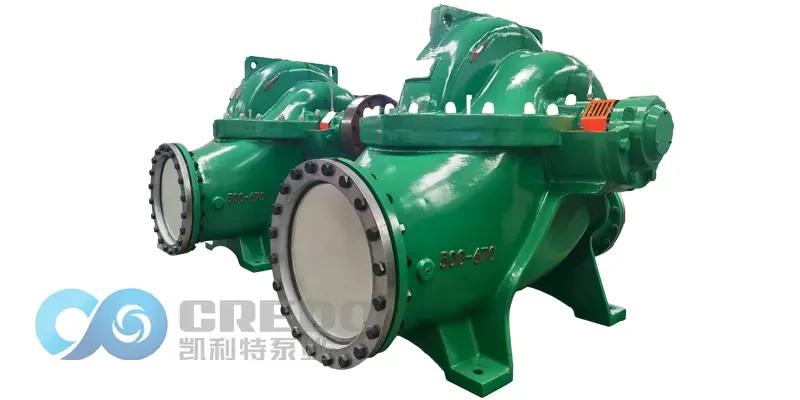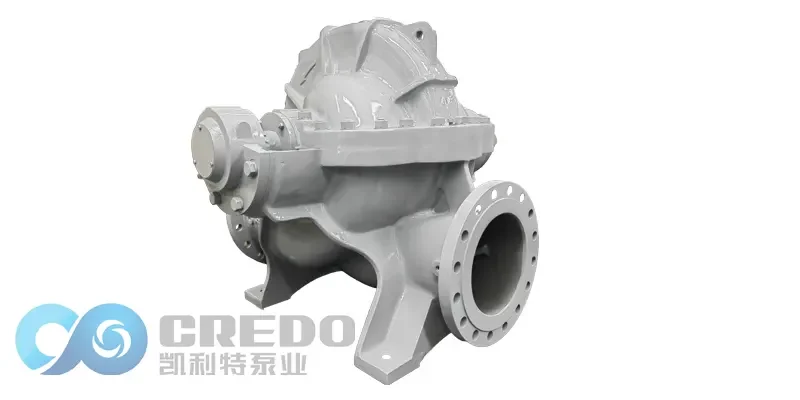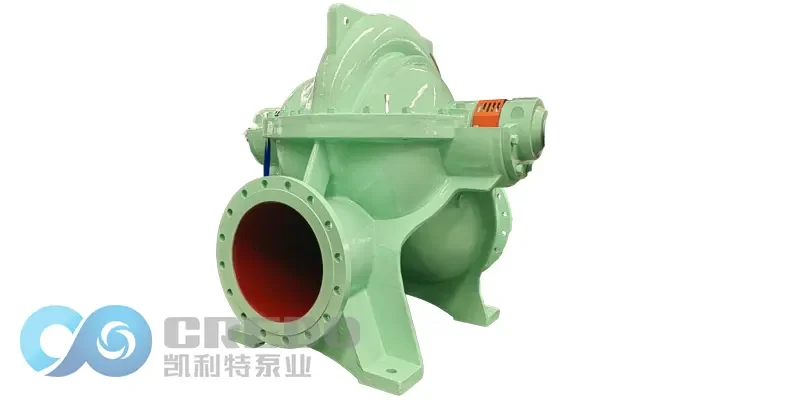
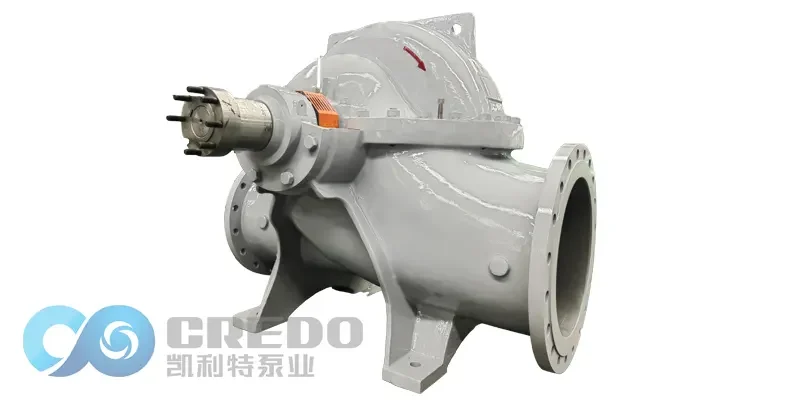
Sealing Principle and Material Selection of Packing in Split Casing Pumps
In industrial applications, maintaining effective sealing is critical to ensure operational efficiency and extend equipment life. One of the most widely used sealing methods in split casing pumps is packing. The reliability of the pump largely depends on the performance of the packing seal, which prevents leakage of the working fluid while minimizing wear on rotating components. This article explains the sealing principle, material requirements, classification, and practical considerations for packing used in axially split casing pumps.
1. Sealing Principle of Packing in Split Casing Pumps
Packing in split casing pumps relies primarily on two key principles: the labyrinth effect and the bearing effect.
Labyrinth Effect: The microscopic surface of the pump shaft is uneven and does not entirely contact the packing material. This unevenness creates tiny, maze-like gaps between the shaft and the packing. When the pressurized fluid tries to pass through, it undergoes multiple throttling stages within these gaps, reducing its pressure incrementally and achieving a sealing effect.
Bearing Effect: A thin fluid film forms between the packing and the shaft. This film acts similarly to a sliding bearing, providing lubrication between the two surfaces. As a result, this reduces direct friction, thereby minimizing wear and enhancing the longevity of both the shaft and the packing.
2. Material Requirements for Packing
The effectiveness of packing in a split casing pump depends on the material’s ability to withstand environmental and mechanical conditions such as temperature, pressure, pH level, shaft speed, and alignment. Ideal packing materials should exhibit:
Elasticity and plasticity for conforming to shaft irregularities
Chemical stability to resist corrosion and degradation
Low permeability to prevent leakage
Self-lubricating properties to reduce friction
High temperature resistance
Ease of installation and removal
Cost-effectiveness and simple manufacturing process
Since no single material perfectly meets all these criteria, research into developing and improving packing materials continues to be a significant focus in the sealing technology field.
3. Types and Composition of Packing Materials for Split Casing Pumps
Packing materials are categorized based on their primary sealing base materials, which are selected according to the working environment and fluid characteristics.
Natural Fiber Packing: Made from materials such as cotton, flax, and wool. These are suitable for low-pressure and moderate temperature applications.
Mineral Fiber Packing: Includes materials like asbestos. Though effective, asbestos is restricted in many countries due to health hazards.
Synthetic Fiber Packing: Common types include:
Graphite packing
Carbon fiber packing
PTFE (Teflon) packing
Kevlar packing
Acrylic-silicone composite packing
These synthetic options offer improved heat resistance, chemical compatibility, and durability.
Ceramic and Metal Fiber Packing: Examples include silicon carbide, boron carbide, and glass fiber packing. These materials offer excellent resistance to high temperatures and chemical corrosion.
Because pure fiber packing often has gaps between strands, it may not provide adequate sealing or lubrication on its own. To address this, fillers and additives such as mineral oil, molybdenum disulfide, graphite powder, talc, mica, glycerin, or PTFE emulsions are impregnated into the fibers. Surfactants, dispersants, and corrosion inhibitors (e.g., zinc particles, molybdenum compounds) may also be added to enhance sealing performance and prevent corrosion.
Conclusion
Effective sealing is a key factor in the operational reliability and efficiency of split casing pumps. Understanding the sealing principles—labyrinth and bearing effects—and selecting appropriate packing materials based on the specific application can significantly extend the pump’s service life and reduce maintenance costs. As split casing pumps are widely used in various industrial settings, ongoing innovation in packing material technology will continue to play a crucial role in ensuring optimal performance and safety.