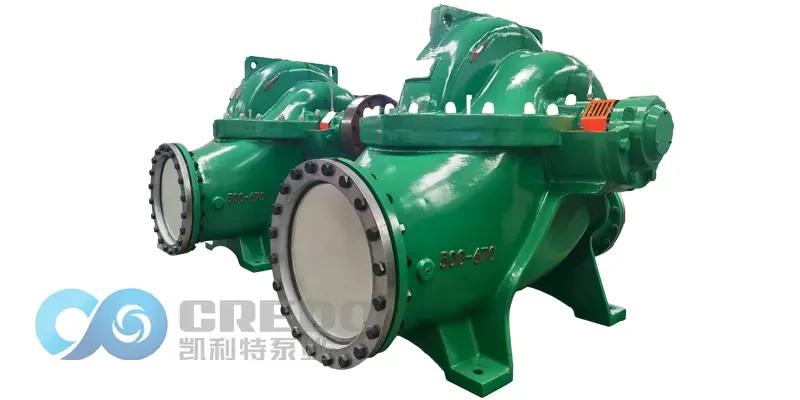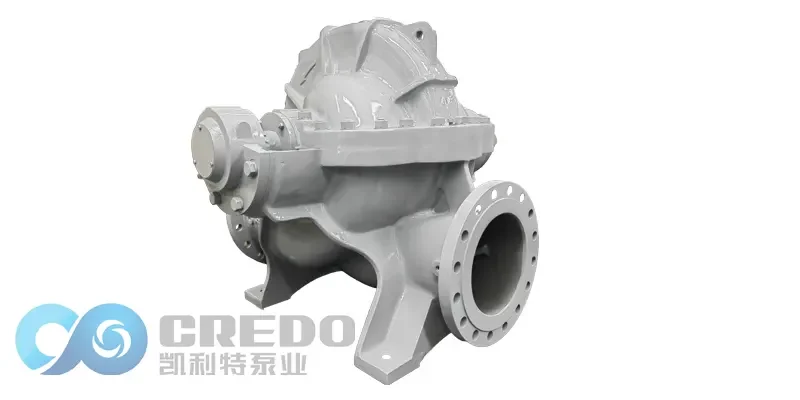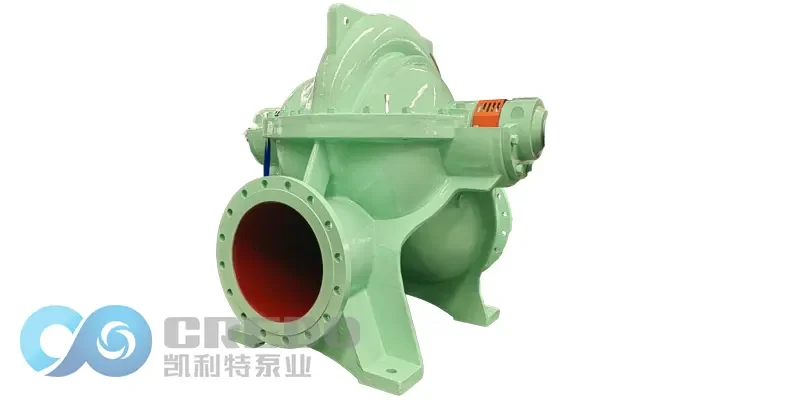
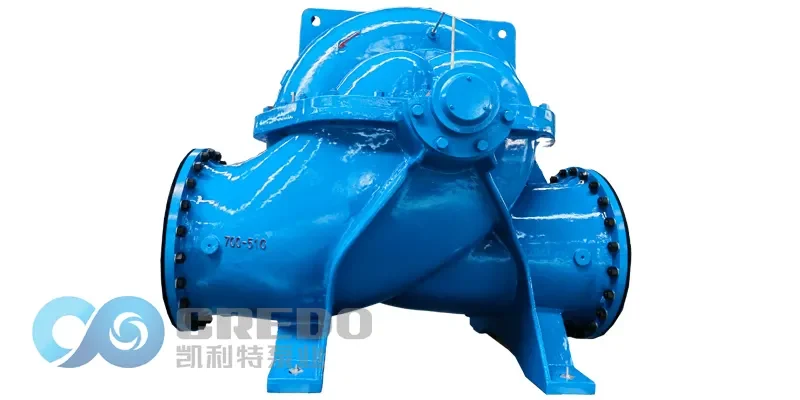
What Are the Key Considerations for Selection and Quality Control of a Split Casing Pump?
The stable and efficient operation of a split casing pump largely depends on correct pump selection and strict quality control throughout manufacturing and testing. In practice, many operational problems—such as vibration, cavitation, excessive wear, or premature failure—can be traced back to errors made during the initial selection stage or insufficient quality control before delivery.
This article outlines the key selection considerations, highlights common selection mistakes, and explains the critical quality control measures required to ensure long-term, reliable operation of split casing pumps.
1. Why Proper Selection and Quality Control Matter
A split casing pump is typically used in high-flow, continuous-duty applications such as municipal water supply, power plants, irrigation, and industrial circulation systems.
Because these pumps often operate under demanding conditions, even minor selection or manufacturing errors can lead to:
Reduced hydraulic efficiency
Excessive vibration and noise
Cavitation damage
Frequent maintenance and unexpected downtime
Ensuring that the pump is properly selected for the system and manufactured under strict quality control standards is essential to achieving the designed performance and service life.
2. Common Mistakes in Split Casing Pump Selection
| No. | Issue | Description |
| 1 | Undefined Operating Flow Range | Failure to define minimum and maximum operating flow rates often results in oversized pumps. Excessive safety margins cause low-load operation, leading to poor efficiency, vibration, noise, accelerated wear, and increased cavitation risk. |
| 2 | Incomplete System Flow and Head Analysis | Minimum system head must consider vacuum level, inlet pressure, discharge head, suction height, and pipeline resistance. Ignoring these factors leads to improper system design and unstable pump performance. |
| 3 | Over-trimming Impellers for Cost Reduction | Selecting smaller pumps to reduce cost may require excessive impeller trimming, which can cause inlet backflow, increased noise, vibration, and cavitation. |
| 4 | Ignoring Site Installation Conditions | Improper suction piping layout disturbs inlet flow conditions, resulting in unstable operation and reduced hydraulic performance. |
| 5 | Inadequate NPSHA vs. NPSHr Margin | Insufficient margin between available NPSH (NPSHA) and required NPSH (NPSHr) significantly increases the risk of cavitation, vibration, and noise. |
| 6 | Inappropriate Material Selection | Incorrect material choices that fail to consider corrosion, abrasion, or cavitation resistance lead to premature wear and frequent maintenance. |
| 7 | Mismatched Mechanical Components | Incompatible mechanical components may not suit the operating environment, reducing reliability and increasing the likelihood of mechanical failure. |
3. Key Quality Control Considerations for Split Casing Pumps
Correct selection alone is not sufficient. Quality control during manufacturing, assembly, and testing plays a decisive role in pump reliability.
3.1 Material Quality Control
Verify chemical composition of castings and forgings
Inspect for casting defects such as porosity, inclusions, and cracks
Ensure full material traceability (heat numbers and certificates)
3.2 Machining and Assembly Accuracy
Control shaft straightness and radial runout
Ensure correct bearing fits and alignment tolerances
Verify casing flatness and split-face machining accuracy
3.3 Impeller Balance and Rotor Dynamics
Perform dynamic balancing of the impeller (ISO G6.3 or better)
Check rotor balance after final assembly
Reduce unbalanced forces that cause vibration and bearing damage
3.4 Hydraulic Performance Testing
Conduct factory performance tests in accordance with ISO, ANSI, or API standards
Verify flow, head, efficiency, and power consumption
Perform NPSH testing for critical or low-margin applications
3.5 Pressure, Leakage, and Vibration Tests
Carry out hydrostatic pressure testing of the casing
Inspect seal chambers, gaskets, and flange joints for leakage
Measure vibration and noise levels to ensure compliance with standards (e.g., ISO 10816)
4. Quality Control Checklist Before Delivery
| Inspection Item | Quality Control Requirement |
| Casing | Hydrostatic pressure test and visual inspection |
| Impeller | Dynamic balance verification |
| Shaft | Straightness check and material certification |
| Bearings | Correct clearance, lubrication, and brand verification |
| Assembly | Alignment, torque, and clearance inspection |
| Testing | Performance, vibration, and noise testing |
5. Why Selection and Quality Control Must Be Considered Together
In real-world applications:
Correct selection without quality control can still result in early failures
High-quality manufacturing with poor selection leads to inefficiency and instability
Reliable pump performance is achieved only when selection accuracy and quality control work together. A well-selected split casing pump, combined with strict manufacturing inspection and testing, ensures:
Stable operation near the best efficiency point (BEP)
Reduced vibration and mechanical stress
Longer service life and lower maintenance costs
6. Conclusion
Effective selection and quality control of a split casing pump are essential for achieving reliable operation and long service life. Key selection criteria—such as operating flow range, complete system head analysis, adequate NPSH margin, proper installation conditions, and material compatibility—must be carefully evaluated. At the same time, strict quality control during manufacturing, assembly, and testing ensures that the selected pump performs as intended in real operating conditions.
By avoiding common selection pitfalls and implementing comprehensive quality control measures, operators and engineers can significantly improve system reliability, maximize efficiency, and minimize lifecycle costs. For critical applications, it is always recommended to consult experienced pump manufacturers and technical specialists during both the selection and specification stages.