About Split Case Centrifugal Pump Energy Consumption: Monitoring, Optimization & Maintenance
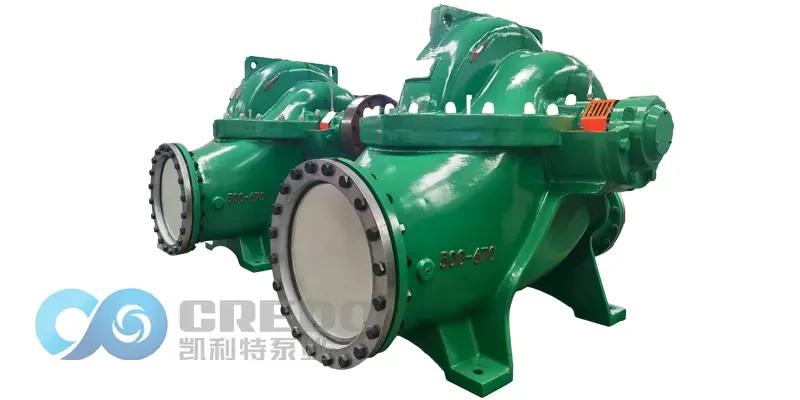
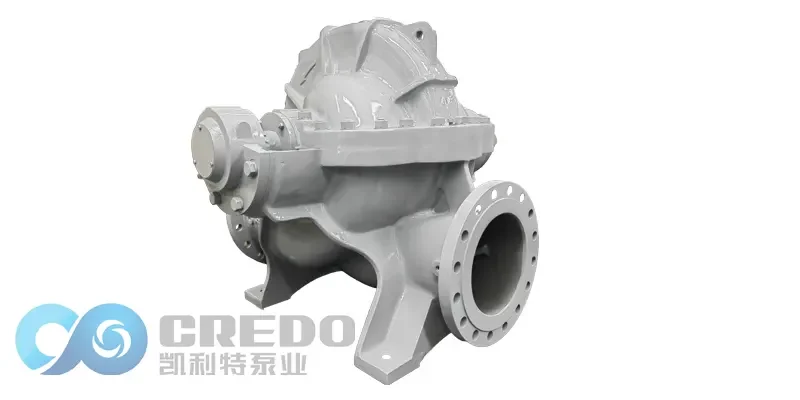
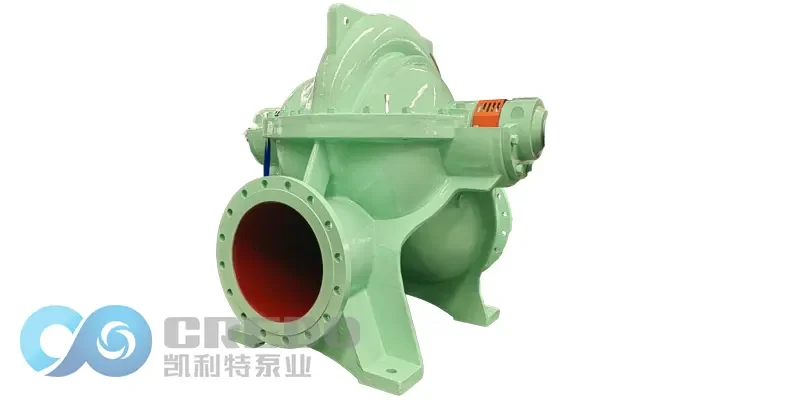
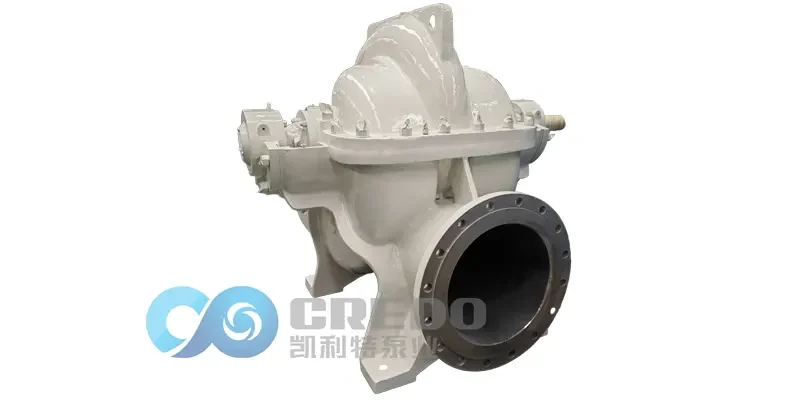
In large-scale water distribution, HVAC, and industrial fluid systems, the split case centrifugal pump is a popular choice due to its high efficiency and reliable flow characteristics. However, even a high-performance pump can become an energy burden if not properly monitored and optimized. By integrating energy monitoring tools, smart sensors, and predictive maintenance strategies, facilities can significantly reduce energy consumption, avoid unexpected failures, and extend the life of their pumping systems.
This article explores how to manage energy consumption of a split case centrifugal pump through real-time monitoring, automation, and data-driven maintenance strategies.
1. Monitor Energy Consumption and Key System Variables
Energy Usage Tracking
A straightforward way to monitor system-wide energy consumption is to install a power meter on the main electrical supply line that feeds the pumping system. This provides a clear overview of energy usage by all components — including the pump motor, control system, and valves.
Benefits of Time-Based Monitoring
Monitoring changes in energy use over time helps identify peak demand periods and idle phases. While this doesn’t directly reduce energy use, it can lower energy costs by avoiding high-demand charges and enabling load balancing through strategic scheduling of pumping operations.
2. Build a Smart Monitoring Strategy
Deploy Critical Sensors
Install sensors and instrumentation at essential points in the system to monitor:
Flow
Pressure
Temperature
Vibration
These sensors serve three primary functions:
Real-time monitoring – Display system parameters and trigger alarms when limits are exceeded.
Automation – Feed data into controllers for automatic system adjustments.
Historical analysis – Build trendlines to assess system performance over time.
3. Enable Real-Time Alerts and Auto-Shutdown Logic
Sensors can be configured with threshold limits to prevent unsafe operation. For example:
A low suction pressure sensor can prevent pump cavitation by sounding an alarm or initiating an automatic shutdown.
High temperature or vibration sensors can protect motors and bearings from damage.
This proactive monitoring not only safeguards equipment but also reduces downtime due to unexpected breakdowns.
4. Automate Operation for Energy Efficiency
Sensors are the foundation of an automated pump control system. For instance:
If the split case centrifugal pump is used for cooling, a temperature sensor can signal a controller to adjust pump speed or modulate a valve, ensuring the pump matches actual system demand.
This intelligent control minimizes unnecessary energy consumption and optimizes system performance in real time.
5. Predictive Maintenance for Long-Term Reliability
From Reactive to Predictive
Instead of waiting for faults to occur or changing components based on fixed schedules, predictive maintenance uses sensor data to anticipate wear or failure. For example:
Differential pressure sensors across filters detect clogging trends.
Vibration sensors installed at pump and motor bearings detect imbalances, misalignment, or bearing wear.
Baseline vs. Real-Time Comparison
After system commissioning, the control system records baseline values (vibration, flow, temperature, pressure). Over time, these values shift. When readings exceed preset tolerances, alarms notify technicians to act before failures occur.
6. Practical Example: Vibration Monitoring
Installing accelerometers on bearing housings of the split case centrifugal pump can:
Capture initial vibration signatures as reference.
Detect increases in vibration amplitude that indicate wear or imbalance.
Trigger alarms or shutdowns when critical limits are reached.
Routine issues like a loose mounting bolt can be corrected easily. After adjustment, real-time sensor feedback confirms whether the fix restored normal operation.
Even in cases of more serious damage, predictive alerts give operators time to plan maintenance without interrupting operations.
7. Beyond Reliability: Energy Optimization
Smart sensors do more than prevent failures. They also reveal opportunities for energy efficiency:
Identifying oversized or underperforming pumps
Diagnosing throttled flow conditions
Revealing system components that need redesign
By applying this strategy to existing systems, facilities can reduce energy consumption, lower operating costs, and increase system uptime — all while getting the most out of their split case centrifugal pump assets.
Conclusion
The split case centrifugal pump is already a highly efficient component in fluid handling systems. But without proper monitoring and intelligent control, even the most reliable pump can become inefficient or prone to failure. By leveraging real-time monitoring, smart automation, and predictive maintenance strategies, organizations can not only optimize energy consumption but also ensure long-term reliability and performance.
Whether you’re retrofitting an old system or fine-tuning a new installation, investing in energy intelligence is the smartest move you can make.