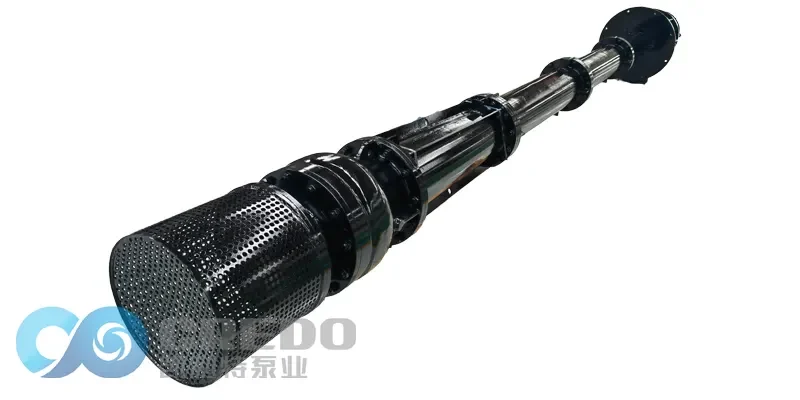
Submersible Vertical Turbine Pump Maintenance Guide (Part A):Key Practices for Long-Term Reliability
Proper maintenance is essential for ensuring the submersible vertical turbine pump delivers reliable, long-lasting performance in demanding environments such as deep well water extraction, municipal supply, and industrial processes. A well-planned maintenance schedule not only extends equipment lifespan but also reduces repair costs, avoids unscheduled downtime, and improves overall pump efficiency.
This article outlines critical routine maintenance steps, inspection guidelines, and recommended service intervals to help operators protect their submersible vertical turbine pumps and maximize return on investment.
Why Regular Maintenance Matters for Submersible Vertical Turbine Pumps
Even under ideal operating conditions, submersible vertical turbine pumps require consistent upkeep. Most pump manufacturers provide recommended maintenance intervals, but it’s up to plant operators to tailor the schedule based on operating environment, duty cycles, and production demands.
Key reasons why maintenance is essential:
Prolongs pump life
Minimizes unplanned failures
Reduces total lifecycle cost (LCC)
Prevents production losses due to pump downtime
Enables early detection of wear or misalignment
Operators should also maintain detailed records of all maintenance activities and repairs to support diagnostics and future reliability planning.
Core Preventive Maintenance Checks
Routine preventive and protective maintenance for a submersible vertical turbine pump should include at least the following monitoring points:
1. Bearing and Lubricant Condition
Check bearing temperature and housing vibration regularly.
Monitor oil clarity, level, and signs of foaming.
A sudden temperature increase may indicate bearing failure is imminent.
2. Shaft Seal Condition
Mechanical seals should show no signs of leakage.
For packing seals, ensure the leakage rate is limited to 40–60 drops per minute.
3. Pump Vibration
Abnormal or increasing vibration may indicate bearing wear, misalignment, cavitation, or structural resonance with nearby piping or foundations.
4. Pump Pressure Differential (Total Head)
Compare discharge and suction pressure readings to assess the pump’s total head.
A steady decline may indicate increased impeller clearance or internal wear.
For semi-open impellers, adjust clearance.
For closed impellers, check and replace wear rings as needed.
Note: In aggressive service conditions involving corrosive fluids or slurries, shorten the inspection and maintenance intervals.
Recommended Quarterly Maintenance Tasks
To keep your submersible vertical turbine pump in top working condition, implement the following quarterly maintenance steps:
Inspect and Tighten Base and Anchor Bolts
Ensure the pump foundation remains rigid and stable.
Replace Lubricating Oil
For new pumps: replace oil after the first 200 hours of operation.
Then, continue oil changes every 3 months or 2,000 operating hours (whichever comes first).
Re-lubricate Bearings
Lubricate bearings on the same interval—every 3 months or 2,000 hours.
Check Shaft Alignment
Misalignment can lead to excessive vibration, wear, and reduced efficiency.
Conclusion
Routine and preventive maintenance is critical to the performance and reliability of a submersible vertical turbine pump. By monitoring key components like bearings, seals, vibration levels, and pressure head, operators can detect early warning signs of wear and prevent costly failures.
Establishing a structured maintenance plan—supported by manufacturer guidance and customized to your operating environment—ensures that your pumping system continues to run efficiently for years to come. In the next part of this maintenance series, we will explore annual inspections and advanced troubleshooting techniques for submersible vertical turbine pumps.