Tips of Installation, Operation, and Maintenance of Packing in Deep Well Vertical Turbine Pumps
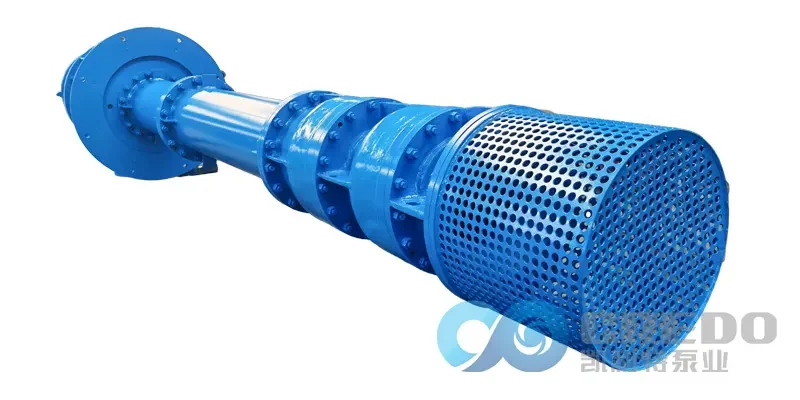
For a deep well vertical turbine pump, proper shaft sealing is essential for maintaining system efficiency, reducing downtime, and preventing premature component wear. Among the most common and cost-effective sealing methods is compression packing. However, issues such as excessive leakage, uneven wear, and shaft scoring often arise—not because packing is inherently flawed, but because installation and maintenance are done incorrectly.
This guide provides detailed instructions and best practices for the accurate installation, optimal operation, and effective maintenance of packing in deep well vertical turbine pumps to ensure maximum performance and seal reliability.
1. Accurate Packing Installation: The Foundation of Seal Performance
1.1 Pre-Installation Preparation
Before installing new packing rings, always begin by:
Removing old or worn packing
Cleaning and inspecting the stuffing box and shaft sleeve for wear, grooves, or damage
1.2 Cutting Packing Correctly
To cut packing correctly:
Measure the shaft diameter accurately.
Use a mandrel that matches the shaft size, which can be fabricated from on-site materials (metal rods, pipes, etc.).
Wrap the packing tightly around the mandrel and cut at a 45° angle to form a tight butt joint.
1.3 Recommended Packing Arrangement
For deep well vertical turbine pumps, typically:
Five rings of packing plus one lantern ring are installed.
Insert rings one at a time with appropriate tools.
Stagger joints at 90° angles (12, 3, 6, 9 o’clock) to reduce leak paths.
Fully seat each ring using increasing-length tamping tools.
Tip: Verify lantern ring position by inserting a small probe into the flush port. This ensures flush water enters at the correct location to cool and clean the packing.
1.4 Initial Packing Adjustment
Tighten the gland follower to 25–30 ft-lbs of torque.
Fully loosen for 30–45 seconds to allow packing relaxation.
Retighten finger-tight, start the pump, and adjust to achieve:
10–12 drops per minute per inch of sleeve diameter.
2. Managing Shaft Deflection for Packing Longevity
Shaft deflection, caused by unbalanced hydraulic forces or operation away from BEP (Best Efficiency Point), creates uneven pressure on packing and can lead to:
Accelerated wear
Overheating
Uncontrolled leakage
2.1 Methods to Reduce Shaft Deflection
To reduce deflection and protect packing:
Align pump and motor precisely
Avoid operation far from BEP
Consider installing a shaft-stabilizing bushing to maintain shaft concentricity within the stuffing box
3. Process Fluid Conditions and Flushing Reliability
Changes in process fluid composition, temperature, or flow rate directly affect stuffing box performance.
3.1 Importance of Proper Flushing
Whether using pumped product or an external flush, maintaining adequate flush pressure is essential to:
Keep packing clean and cool
Prevent particulate ingress
Lubricate seal faces
If flush flow is restricted (e.g., partially closed valve), contaminants may enter the stuffing box, shortening packing life.
Key Point:
Flushing is not just a flow-through—it is a critical element of packing performance in a deep well vertical turbine pump.
4. Best Practices for Ongoing Maintenance
To sustain optimal sealing performance:
Monitor flush fluid temperature and pressure regularly
Periodically check leakage rate (10–12 drops/min/inch sleeve diameter)
Adjust gland follower slowly and incrementally when leakage increases
Avoid over-tightening, which causes overheating and premature wear
Once packing can no longer be adjusted to maintain proper leakage, a complete replacement is required.
Pro Tip:
Record packing adjustments and replacement intervals to track wear patterns and optimize future maintenance planning.
Conclusion
Effective shaft sealing through compression packing in a deep well vertical turbine pump depends on accurate installation, correct flushing practices, and regular maintenance adjustments. While packing may appear simple, small errors in cutting, seating, or flushing can lead to leakage, shaft wear, and unplanned downtime.
By following the best practices outlined above, users can ensure:
Reliable, long-lasting sealing performance
Lower total cost of ownership
Full operational potential of the deep well vertical turbine pump