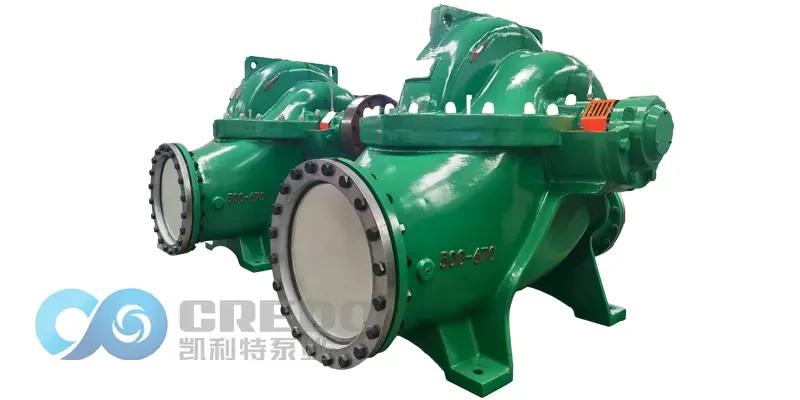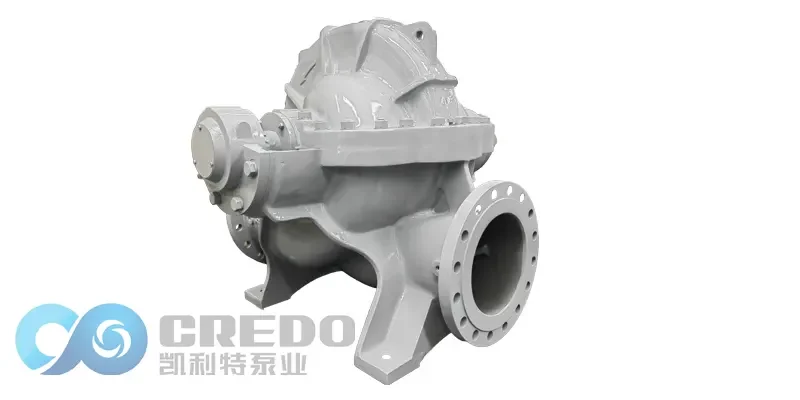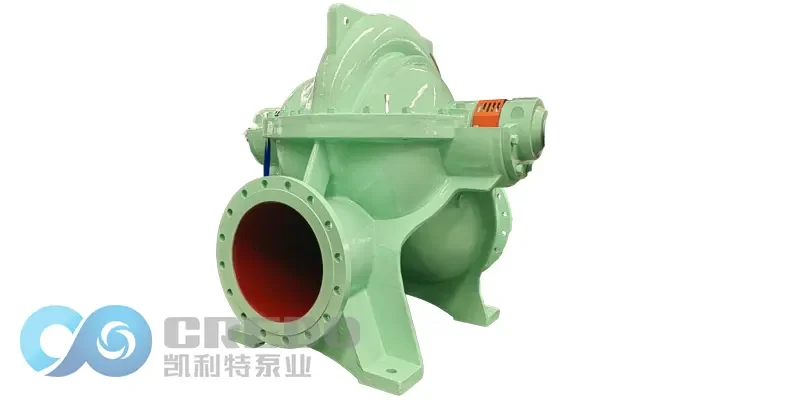
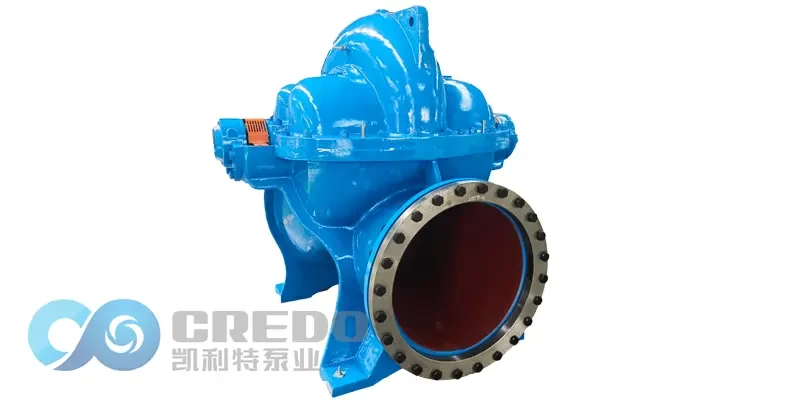
Top 11 Common Damages of the Split Case Double Suction Pump
The split case double suction pump is a critical workhorse in a variety of applications, including municipal water systems, HVAC, power plants, and industrial operations. However, even these robust machines are not immune to damage. Many operational and installation missteps can reduce their efficiency, increase wear and tear, and ultimately shorten their service life. This article highlights 11 common causes of damage to split case double suction pumps and offers insights into preventive maintenance and operational best practices.
1. The Mysterious NPSHA
A frequent and often misunderstood cause of pump damage is insufficient Net Positive Suction Head Available (NPSHA). If NPSHA is not correctly calculated or misjudged, it can lead to cavitation—causing noise, vibration, impeller erosion, and severe pump damage.
2. Operating Away from the Best Efficiency Point (BEP)
Operating the pump significantly away from its BEP leads to hydraulic instability, increased radial loads, and mechanical stress on components. If BEP cannot be achieved, options like variable speed drives, impeller trimming, or resizing the pump should be considered to bring operating conditions closer to optimal.
3. Pipeline Strain: A Silent Pump Killer
Poorly aligned or unsupported piping can transfer significant stress to the pump casing. This strain can distort the pump alignment and damage bearings and seals. It is important to inspect and anchor piping systems properly to eliminate residual stress.
4. Inadequate Start-Up Preparation
Split case double suction pumps require preparation prior to commissioning. This includes filling oil reservoirs, verifying impeller clearance, setting mechanical seals, and checking motor rotation. Skipping these steps can result in operational failure from the first start.
5. Misalignment During Installation
Despite factory alignment, transportation and site conditions often disturb it. Realignment at the installation site is mandatory to avoid coupling stress, bearing wear, and shaft deflection. Precision laser alignment tools should be used.
6. Improper Oil Levels and Contamination
Over-lubrication can be just as damaging as under-lubrication. For splash-lubricated bearings, oil should only contact the lowest rolling element. Contaminated or degraded oil is the leading cause of bearing failure.
7. Dry Operation and Inadequate Submergence
Insufficient submergence at the suction port can introduce air, causing the pump to operate with an air-fluid mixture. This leads to reduced performance, vibration, and eventual cavitation. Always maintain minimum submergence levels.
8. Misunderstanding Vacuum Pressure
Understanding vacuum and its role in NPSHA is essential. Even in deep vacuum conditions, some residual pressure exists. Improper interpretation of vacuum pressure during system design can lead to inadequate suction conditions.
9. Wear Ring and Impeller Clearance
Wearing of the impeller or wear rings increases internal recirculation, reduces efficiency, and causes vibration. If clearance exceeds 0.020–0.030 inches from the original setting, performance losses become exponential, and damage to other components can follow.
10. Poor Suction Side Design
The suction side plays a critical role in pump performance. Poor suction design can lead to turbulence, air entrainment, and flow instability. This includes undersized piping, sharp elbows, or long vertical drops that promote vortex formation.
11. Lack of Operator Training and Experience
No matter how advanced a pump is, its reliability is compromised without knowledgeable operators. Continued education on split case double suction pump operation, troubleshooting, and routine checks is essential for long-term performance.
Conclusion
A split case double suction pump is a dependable and efficient machine when installed and maintained correctly. However, common issues such as cavitation, pipeline strain, poor lubrication, or misalignment can cause severe damage if ignored. By understanding these 11 frequent causes and incorporating routine checks, system reviews, and proper training, operators can ensure the reliable, long-lasting performance of their split case double suction pumps. For critical applications, always refer to OEM guidelines and consult with experienced pump specialists.