Understanding the Dangers of Water Hammer in Split Case Centrifugal Pumps
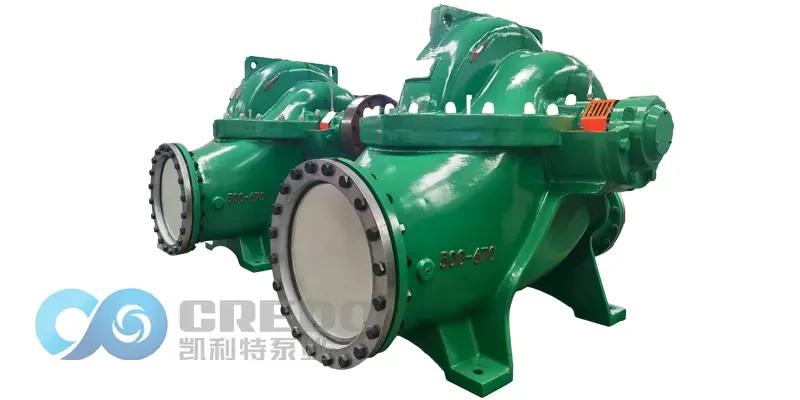
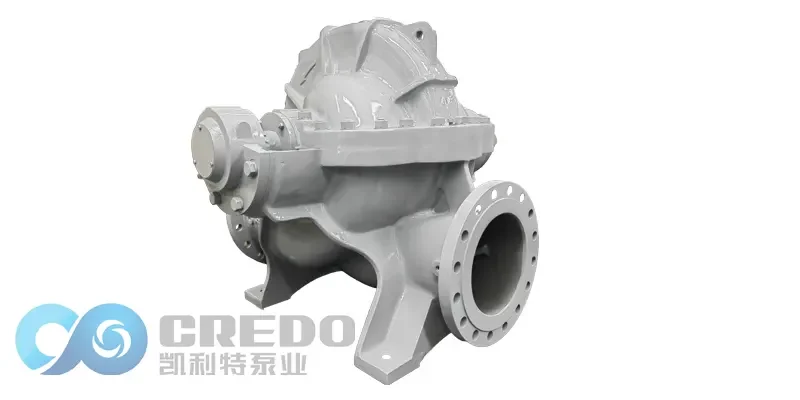
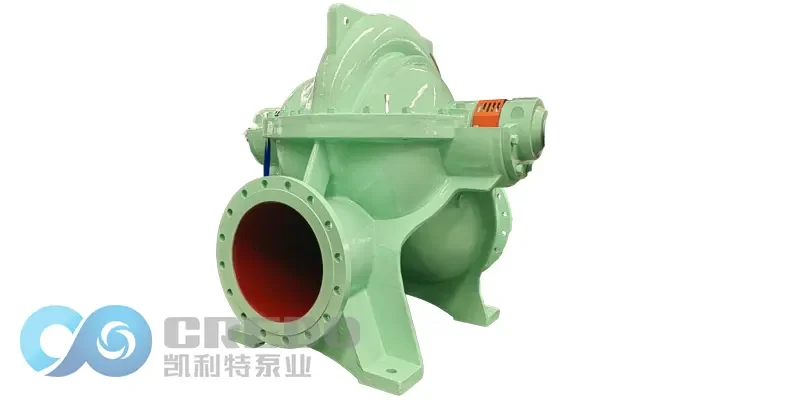
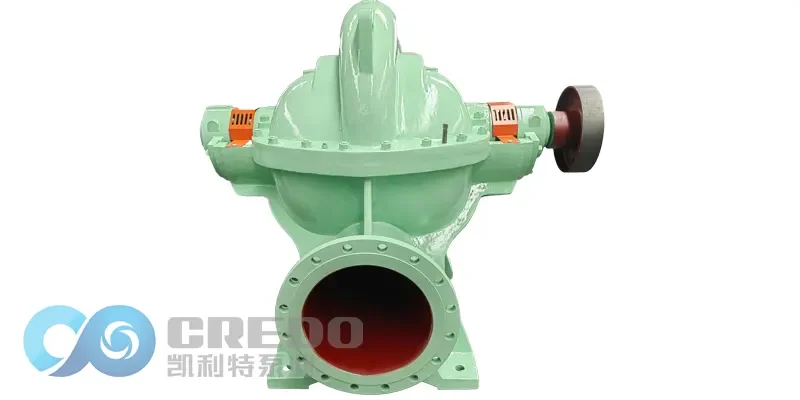
During split case centrifugal pumps operating, one critical issue that often goes unnoticed until it causes significant damage is water hammer. This hydraulic phenomenon can pose serious threats to the integrity of the pump system if not properly mitigated. In this article, we explore the causes, risks, and consequences of water hammer in split case centrifugal pumps, with a focus on preventive measures and system safety.
What is Water Hammer?
Water hammer is a surge of pressure that occurs when the movement of water is suddenly forced to stop or change direction. This typically happens due to sudden valve closures or abrupt pump stoppages, such as those caused by power outages. The inertia of the moving water creates a pressure wave that travels through the piping system—similar to a hammer blow—hence the term “water hammer.”
At pumping stations, water hammer can be categorized into three types:
1. Starting water hammer
2. Valve closing water hammer
3. Pump stopping water hammer (most dangerous)
While the first two types are typically manageable under normal operation, pump-stopping water hammer can produce extremely high pressure surges, leading to catastrophic failures.
Water Hammer in Split Case Centrifugal Pump Shutdowns
When a split case centrifugal pump is shut down unexpectedly—often due to a power failure or equipment malfunction—the water in motion does not stop immediately. Instead, it continues due to inertia, causing a sudden drop in pressure followed by a shock wave traveling through the pipeline system. This is known as pump-stopping water hammer.
The pressure surge from this type of water hammer can reach up to 200% or more of the pump’s normal working pressure. This abrupt and forceful shock can severely damage pipelines, valves, and pump components. In severe cases, it may lead to water leakage, flooding of the pump room, and even serious injuries or fatalities.
Hazards and Consequences of Water Hammer
Water hammer presents several hazards to split case centrifugal pump systems, including:
1. Pipe Vibration and Joint Disconnection: The intense pressure fluctuation can lead to violent pipeline vibrations, loosening or breaking pipe joints.
2. Valve and Pipeline Damage: Excess pressure can destroy valves or burst pipelines, compromising the water supply network.
3. Low Pressure Collapse: Conversely, a sharp drop in pressure may cause pipe collapse or failure of internal supports and fixings.
4. Pump Reversal: The force of the reverse flow may cause the pump impeller to spin backward, damaging internal components or connected systems.
5. Severe System Disruption: Major incidents can result in flooded pump rooms, total equipment failure, and safety hazards to personnel, leading to significant downtime and financial losses.
Conclusion
Water hammer is a dangerous and often underestimated phenomenon in split case centrifugal pump systems. It is crucial to understand its causes and effects to implement appropriate control measures such as surge tanks, check valves, and controlled pump shutdown systems. Preventive maintenance, system design optimization, and operator training are key to mitigating the risks of water hammer. By taking these proactive steps, operators can ensure the safety, efficiency, and longevity of split case centrifugal pump installations.