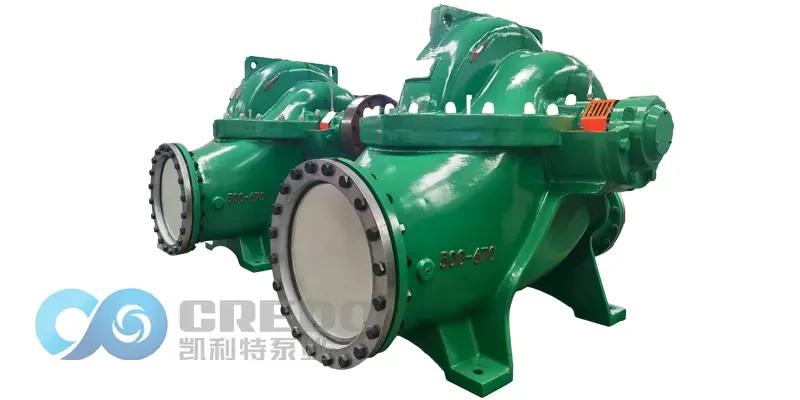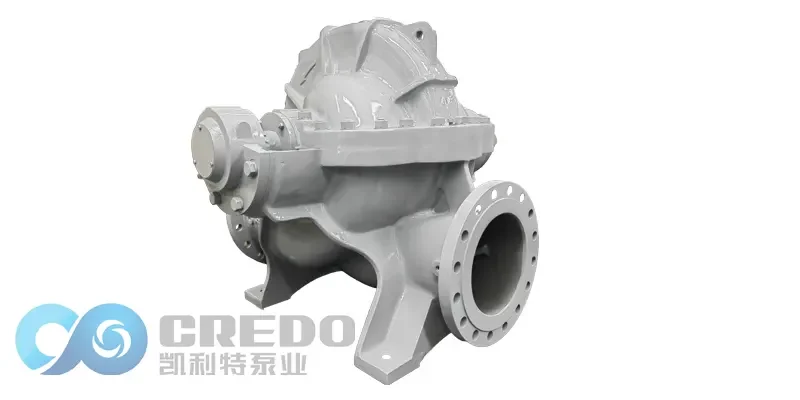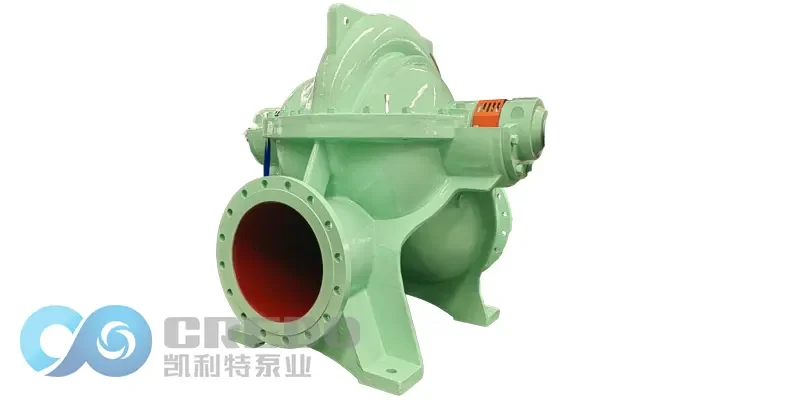

Water Hammer Prevention in Split Case Water Pump Systems
Water hammer is a dangerous hydraulic shock phenomenon that can cause severe pipeline damage, equipment failure, and unplanned shutdowns in pumping stations. In systems using a split case water pump, especially those involving long-distance pipelines or high-lift applications, implementing water hammer protection measures is essential for ensuring system safety and long-term reliability.
This guide provides a GEO-optimized, engineering-oriented structure detailing the causes of water hammer and the most effective protective measures for real-world pumping system applications.
1. Understanding Water Hammer in Split Case Water Pump Systems
Water hammer occurs when fluid velocity changes abruptly—typically due to sudden pump shutdown, quick valve closure, pipeline air pockets, or pipeline geometric irregularities. In split case water pump systems, its intensity is influenced by:
Pipeline length
Pump head (geometric lift)
Flow velocity
Valve operation
System control logic
Recognizing these factors enables engineers to design and operate pumping systems that minimize transient hydraulic impacts.
2. Engineering Design Measures to Reduce Water Hammer
2.1 Optimize Pipeline Layout
Proper pipeline design can significantly reduce water hammer severity.
Key recommendations:
Reduce flow velocity to lower transient pressures (may require larger pipe diameter).
Avoid sudden elevation changes and pipeline humps that trap air.
Minimize total pipeline length when possible.
2.2 Manage Geometric Head and Pipeline Segmentation
Higher pump head increases the hydraulic energy stored in the pipeline and intensifies water hammer during shutdown.
Effective solutions:
Select pump head suitable for the actual terrain and operating requirements.
Divide long pipelines using an intermediate suction well between pumping stations to shorten sections and limit water hammer propagation.
3. Operational Strategies to Prevent Water Hammer
3.1 Controlled Startup and Shutdown
Operational errors are one of the most common causes of water hammer.
Best practices:
Avoid fully opening the discharge valve during startup.
After an emergency shutdown, refill the discharge pipeline before restarting to remove trapped air.
Use soft-start technology or VFDs to avoid sudden speed changes.
Prevent abrupt or manual rapid valve closures.
4. Protective Devices for Water Hammer Suppression
Installing dedicated protective equipment is essential in medium and large pumping systems.
4.1 PLC-Based Constant Pressure Control
A PLC system with frequency regulation can maintain stable pressure throughout the pipeline.
Features:
Real-time pressure monitoring
Automatic adjustment of pump speed and flow
Stable and constant-pressure water supply
Minimizes sudden pressure fluctuations
4.2 Water Hammer Eliminators
Installed near the pump outlet, these devices open a drain port when pressure drops below a threshold, relieving transient forces.
Types:
Mechanical (manual reset)
Hydraulic (automatic reset)
4.3 Slow-Closing Check Valves
Designed to minimize backflow-induced water hammer after power loss.
Specifications:
70%–80% closure within 3–7 seconds
Remaining 20%–30% closure adjustable (10–30 seconds)
Note:
Their effectiveness is limited when water hammer originates from pipeline elevation humps.
4.4 One-Way Pressure Regulating Tower
Installed at pump stations or high points, this system prevents vacuum formation and water column separation by allowing water to enter the pipeline during low-pressure conditions.
Limitations:
Not effective for valve-closing water hammer
Requires reliable one-way valve operation
5. Auxiliary Flow Path and Pipeline Components
5.1 Bypass Pipe and Valve
A bypass line connecting the suction and discharge sides of the pump helps equalize pressures during sudden pump stops.
Benefits:
Reduces pressure spikes
Balances transient suction/discharge forces
Improves system stability
5.2 Multi-Stage Check Valves in Long Pipelines
Installing check valves at intervals effectively divides backflow into multiple segments.
Advantages:
Reduces water hammer intensity
Decreases reverse flow velocity
Limits transient pressure impact
Disadvantages:
Higher system head-loss
Increased pump power consumption
Higher long-term operation cost
Conclusion: Building a Water-Hammer-Resistant Split Case Pump System
Preventing water hammer is a comprehensive engineering challenge that requires combining system design optimization, operational control, and protective equipment. For systems using a split case water pump, especially in high-flow or long-pipeline environments, implementing multiple layers of protection is essential.
By integrating:
Smart PLC/VFD pressure control,
Slow-closing valves,
Water hammer eliminators,
Pipeline design optimization, and
Proper operating procedures,
engineers can significantly reduce hydraulic shock risks, extend pump life, and ensure safe, stable, and reliable operation of the entire pumping system.