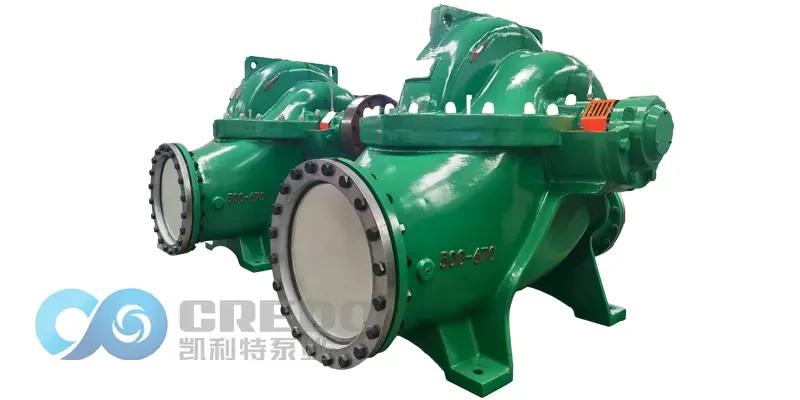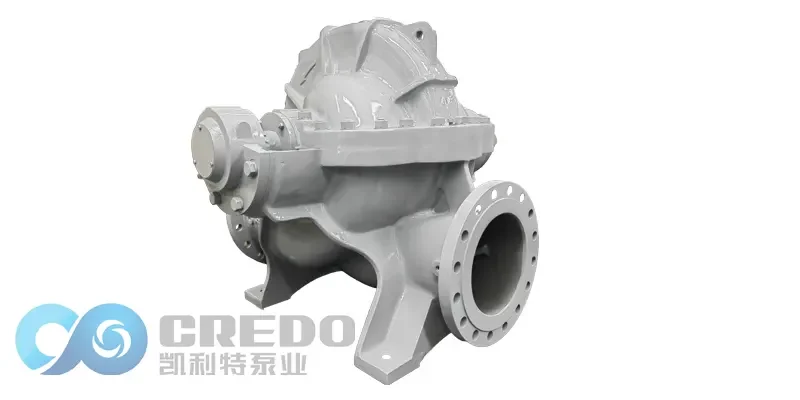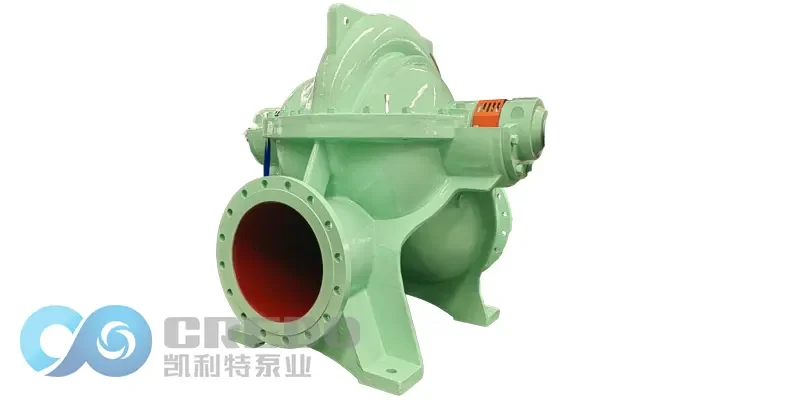
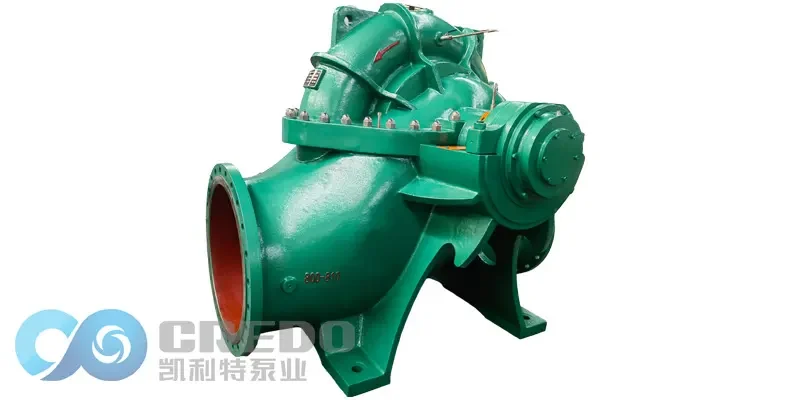
What are the Factors Affecting the Service Life of Double Suction Split Case Pump
The double suction split case pump is widely used in industrial, municipal, and commercial water systems due to its high efficiency, stable performance, and easy maintenance. However, to ensure its long-term reliable operation, it is essential to understand and manage the various factors that affect its service life. Proper pump selection, correct installation, and diligent maintenance are vital, but many users overlook seemingly minor factors that can cumulatively lead to premature pump failure. This article explores the key factors that influence the service life of double suction split case pumps and provides practical tips to maximize their operational lifespan.
1. Appropriate Selection of Pump Specifications
Choosing the right double suction split case pump is the first step toward extending its service life. The selected pump should match the system requirements in terms of flow rate, head (pressure), and power. Oversized or undersized pumps lead to inefficient operation and stress on components, which can accelerate wear and tear. An appropriate match between system demand and pump capacity ensures smooth operation and reduces the risk of damage due to excessive or insufficient loading.
2. Correct Installation Practices
Improper installation can drastically reduce the life expectancy of a double suction split case pump. The pump must be properly aligned, bolted to a stable foundation, and connected to piping systems that do not exert undue stress. Misalignment between the pump and motor can lead to shaft deflection, bearing wear, and seal damage. In addition, ensuring correct suction and discharge piping layout helps to prevent cavitation, water hammer, and other hydraulic issues.
3. Operating Environment Conditions
Environmental factors play a crucial role in the longevity of split case pumps. Unless specifically designed for extreme conditions, pumps should be installed in environments with controlled temperatures and humidity. Exposure to high or low temperatures can cause materials to expand or contract, accelerating aging and compromising structural integrity. Excessive moisture may lead to corrosion, insulation damage, and even electrical short circuits. Therefore, selecting an appropriate location for the pump installation is essential.
4. Avoid Frequent Start-Stop Cycles
While many users are aware that overloading the pump is detrimental, they often overlook the damage caused by frequent start-stop cycles. When a double suction pump is shut down and restarted too quickly, backflow can occur, resulting in high starting torque and large inrush currents. This overload condition can burn out motor windings and reduce the efficiency of the pump system. It is recommended to install proper control systems to avoid rapid cycling and ensure smooth startups.
5. Monitoring and Addressing Abnormalities
Operators should not ignore abnormal noise, vibration, or heat generation during pump operation. These symptoms can indicate mechanical or hydraulic issues such as bearing failure, misalignment, or cavitation. Running the pump in such conditions can lead to irreparable damage. Regular inspections and maintenance checks are necessary to detect and resolve issues early. Vibration analysis and thermographic inspection can also help in identifying hidden defects.
6. Use of Original Spare Parts
Routine replacement of wear parts such as bearings, seals, and gaskets is vital for the sustained performance of the pump. Using low-quality or non-original parts may lead to poor compatibility, reduced efficiency, and increased risk of breakdown. It is always advisable to use genuine spare parts from the original equipment manufacturer (OEM) to maintain design integrity and performance standards.
Conclusion
Maximizing the service life of a double suction split case pump requires more than just basic operation and maintenance. From the initial selection and installation to daily monitoring and periodic part replacement, each step plays a critical role in determining the longevity of the pump. Ignoring environmental conditions, frequent startups, or early warning signs can result in costly failures and downtime. By understanding these influencing factors and implementing proactive maintenance strategies, users can ensure efficient, safe, and long-lasting operation of their double suction split case pumps.