What’re the Common Troubleshooting Measures for Axial Split Case Pump?
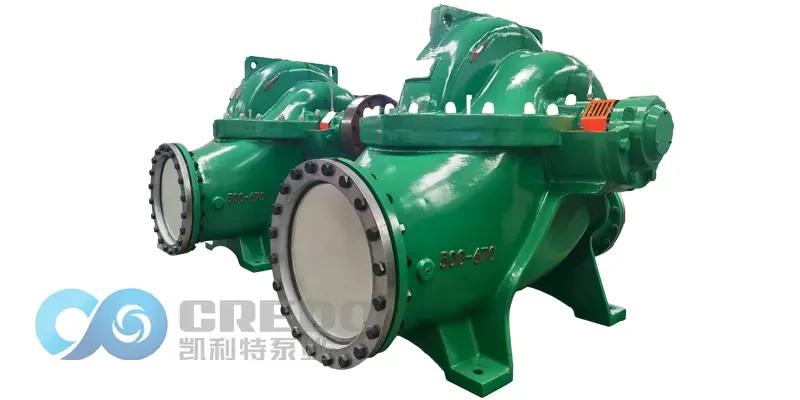
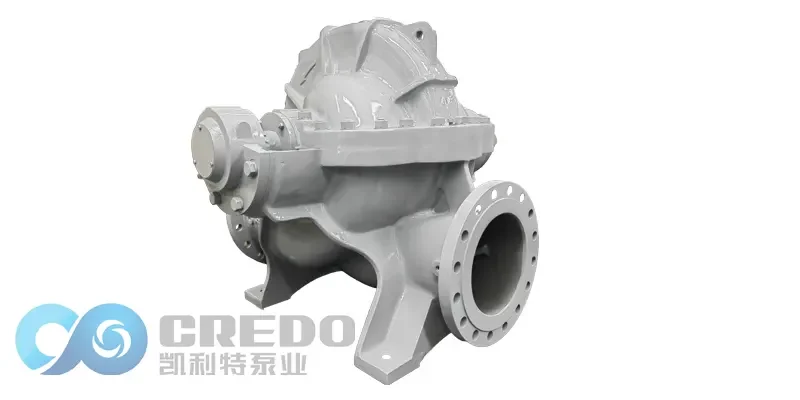
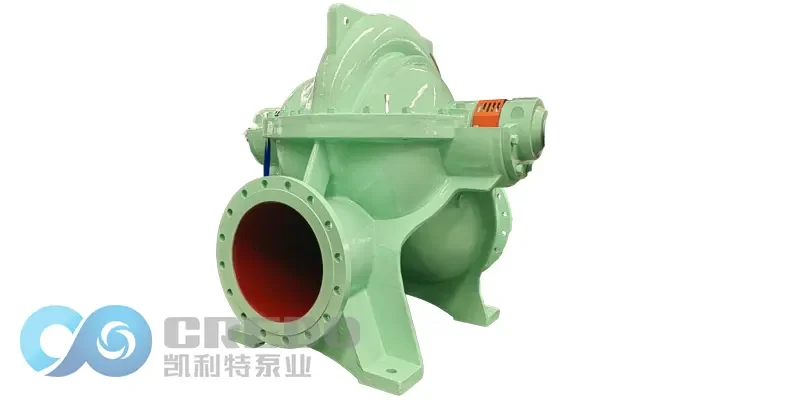
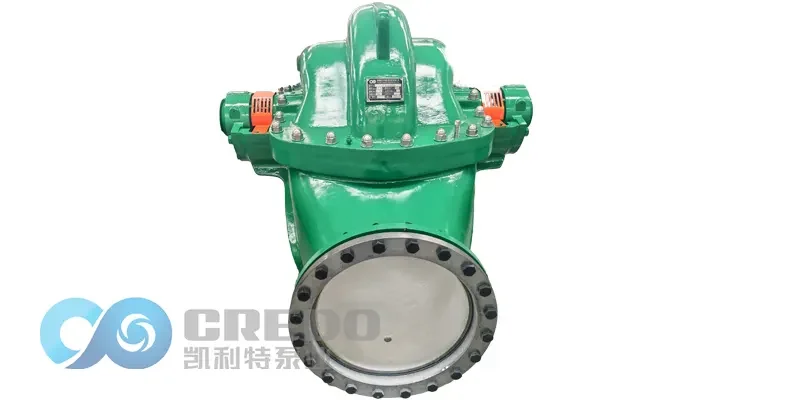
Like all mechanical equipment, the axial split case pump is prone to operational issues over time if not properly selected, installed, or maintained. Troubleshooting and resolving these common failures promptly is essential for ensuring the pump’s reliability and preventing costly downtime. This article outlines two major categories of problems often encountered in axial split case pumps—high pump head and elevated bearing temperature—and provides actionable troubleshooting measures.
1. Operation Failure Caused by Excessive Pump Head
When engineering firms or design institutes specify axial split case pumps, the pump head is typically calculated conservatively. This results in pumps being selected with higher than necessary head values. Operating the pump in a non-optimal zone can lead to several performance issues:
Motor Overload: The motor draws excessive current, especially in centrifugal pumps, increasing the risk of overheating or tripping.
Cavitation: Operating far from the pump’s best efficiency point (BEP) can lead to cavitation, generating noise, vibration, and frequent fluctuations in the outlet pressure gauge. Cavitation causes long-term damage to the impeller and reduces the operational flow rate.
Treatment Measures:
Re-evaluate the system’s actual head requirement using current operating data.
If the pump head is excessive, reduce it by:
Trimming the outer diameter of the impeller.
Replacing the impeller with a redesigned one suited for a lower head.
Reducing the motor speed via frequency converters or gear changes.
These modifications help restore the axial split case pump to its ideal operating range, improving efficiency and reducing component wear.
2. Excessive Temperature Rise in Bearing Components
Bearings are vital to the smooth operation of axial split case pumps. Excessive bearing temperature often indicates an underlying mechanical or lubrication issue. While the maximum operating temperature for standard bearings should not exceed 80°C, high-performance imported bearings (e.g., SKF) can withstand up to 110°C. However, relying on hand-touch to gauge temperature is not recommended.
Common Causes of Bearing Overheating:
Over-lubrication: Adding too much grease or oil increases friction.
Misalignment of Shafts: When the pump shaft and motor shaft are not precisely aligned, it causes extra load on the bearings.
Machining Errors: Poor perpendicularity between the bearing housing and the pump seat can introduce interference loads.
Piping Stress: Improperly supported discharge piping can push or pull on the pump body, compromising shaft alignment.
Contaminated Lubrication: Grease mixed with debris such as sand, dirt, or iron filings increases friction and heat.
Undersized Bearings: Inadequate bearing capacity due to poor pump design. Although this is uncommon in well-designed systems, it remains a potential issue in customized or improperly specified installations.
Solutions:
Always use the manufacturer-recommended type and quantity of lubricant.
Ensure proper shaft alignment using dial indicators or laser alignment tools.
Inspect and correct any machining defects before assembly.
Install proper pipe supports to prevent mechanical stress on the pump casing.
Use sealed or filtered grease to avoid contamination.
Conclusion
The axial split case pump is a reliable and efficient component in high-flow, moderate-pressure applications. However, its performance depends heavily on proper selection, installation, and maintenance. Excessive pump head and bearing overheating are among the most common yet avoidable problems. By understanding the root causes and applying targeted troubleshooting measures, operators can extend the life of their axial split case pumps, minimize unscheduled downtime, and maintain optimal system performance. Always refer to manufacturer documentation and consult experienced engineers when dealing with persistent issues.